
Why Mental Health Is Now Part of Preventive Care
For a long time, mental health and physical health were treated as entirely separate concerns - something addressed only when a crisis arose. That approach is shifting. Major health organizations, including the U.S. Preventive Services Task Force (USPSTF), now recommend routine depression screening for all adults, recognizing that mental health is inseparable from overall wellbeing.
The logic mirrors what we already accept for blood pressure or cholesterol checks: catching a concern early means more options and better outcomes. Depression, anxiety, and chronic stress can affect sleep, immune function, cardiovascular health, and the ability to manage chronic conditions. Identifying them early - before they become debilitating - is the whole point of preventive care.
As part of a broader preventive health approach for adults, mental health screenings represent a meaningful step toward whole-person care rather than just treating symptoms after they arise.
1 in 5
U.S. adults experience a mental illness each year
According to the National Institute of Mental Health, approximately one in five U.S. adults lives with a mental illness in any given year.
50%+
Mental health conditions go undiagnosed or untreated
The Substance Abuse and Mental Health Services Administration (SAMHSA) has consistently reported that more than half of adults with mental illness do not receive treatment in a given year.
PHQ-9
Most widely used depression screening tool in primary care
The Patient Health Questionnaire-9 is one of the most validated and commonly administered depression screening instruments in outpatient healthcare settings globally.
What Actually Happens During a Mental Health Screening
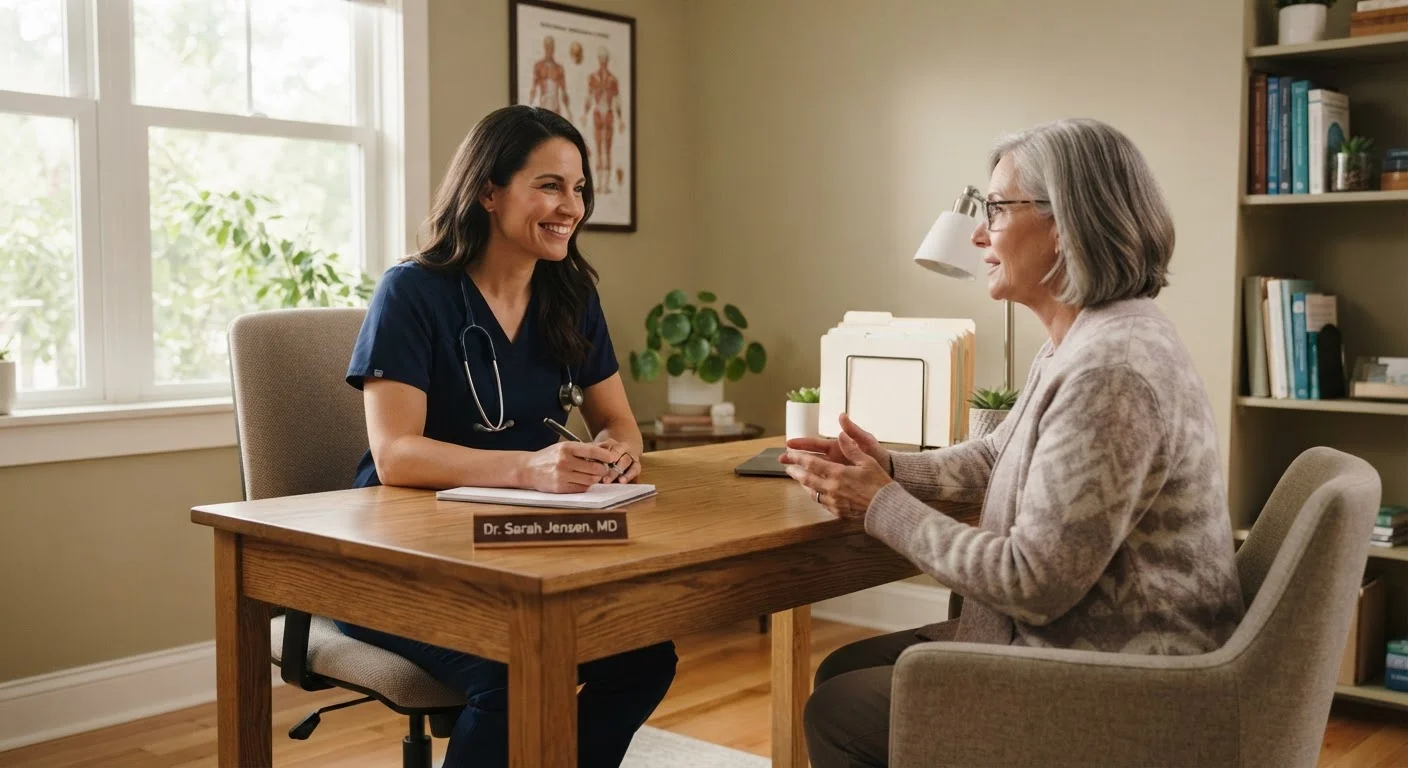
Most mental health screenings at primary care visits are quick and low-pressure. You will typically be asked to complete a short questionnaire - often on paper or a tablet - before or during your appointment. The questions are straightforward, asking about mood, sleep, energy, concentration, and how you have been feeling over the past couple of weeks.
Two of the most widely used tools are the PHQ-9 (Patient Health Questionnaire) for depression and the GAD-7 (Generalized Anxiety Disorder scale) for anxiety. Each takes only a few minutes to complete. Your provider reviews your responses and may follow up with a brief conversation to clarify your answers in context.
It is worth being honest and straightforward when answering. These tools are designed to give your care team a clearer picture, and accurate answers lead to better follow-up. There are no right or wrong responses - just your genuine experience.
Be Honest - It Helps Your Provider Help You
It can feel uncomfortable to answer questions about mood or emotional struggles in a clinical setting. But these questionnaires are designed to be non-judgmental, and your responses are confidential. The more accurately you answer, the better your provider can understand your needs. Think of it as giving your care team a fuller picture of your health, not just a snapshot of your physical symptoms.
Understanding Your Results and What Comes Next
A screening result is not a diagnosis. If your responses suggest elevated symptoms, your provider will talk with you about what that means and what, if anything, makes sense to do next. Options might include a follow-up appointment, a referral to a therapist or psychiatrist, or simply monitoring how things develop over time.
If your screening does not flag any concerns, that is useful information too - a baseline your provider can compare against in future visits. Either way, the conversation that follows is collaborative. You are not handed a label; you are given information to work with.
For a broader look at how mental health screening fits alongside other health checks, the annual preventive care checklist is a helpful reference. And if you want to get more out of any preventive visit, preparing thoughtful questions in advance can make a real difference.
Screening Recommendations Vary by Age and Risk
While the USPSTF recommends depression screening for all adults, specific recommendations for anxiety, substance use, and other mental health areas may differ based on age, life stage, or individual risk factors. Providers may use clinical judgment to determine which screenings are most relevant for you. For a breakdown by age group, see the guide to preventive screenings by age.
This article is for general informational and educational purposes only and is not a substitute for professional medical advice, diagnosis, or treatment. Always consult a qualified healthcare provider with any questions you may have about your mental health or any medical condition.