
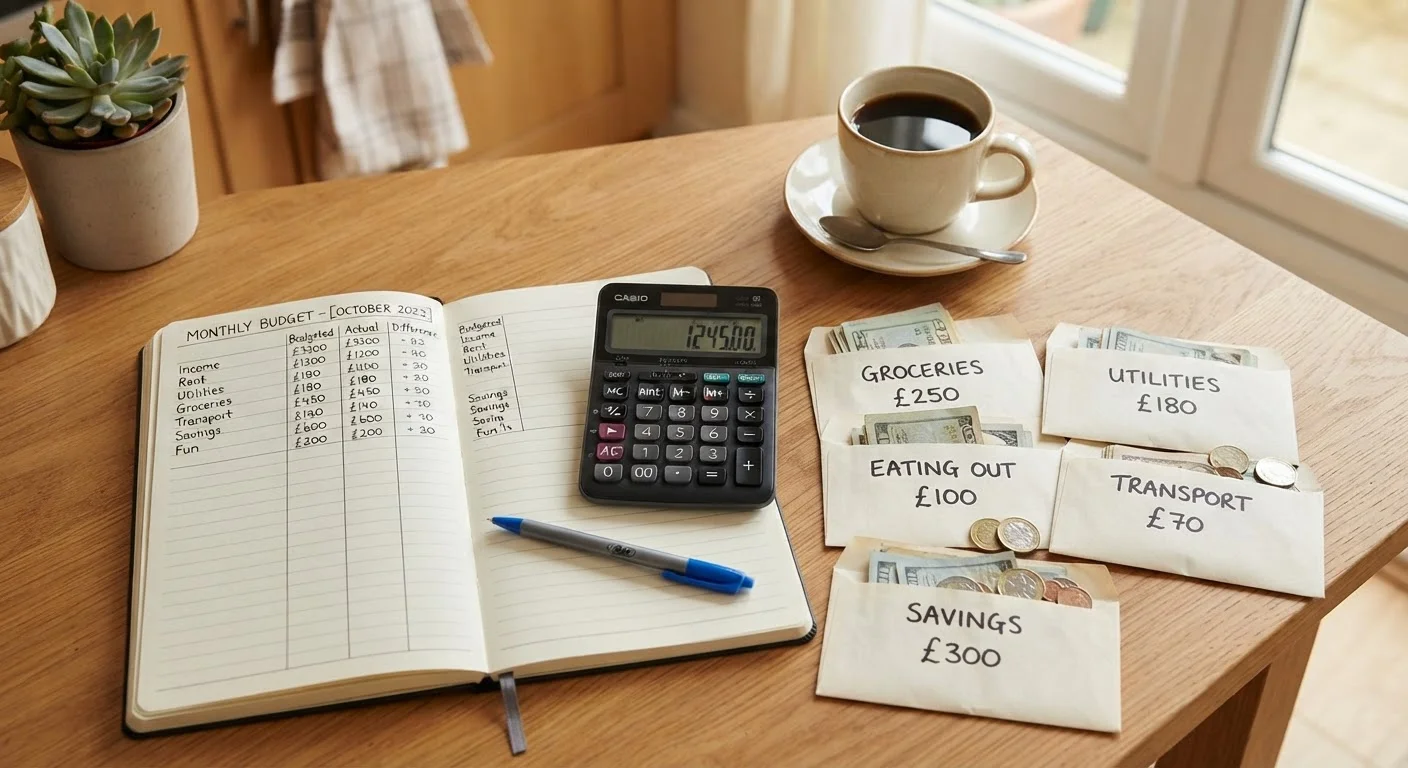
The Building Blocks: Fixed vs. Variable Expenses
Every household budget organizes expenses into two fundamental groups: fixed and variable. Understanding this distinction is the most practical place to start.
Fixed expenses are the costs that stay consistent from month to month. Your mortgage payment, car loan, and homeowners insurance premium are classic examples. Because these amounts do not change, they are the easiest to plan for — you simply enter the figure and move on.
Variable expenses shift each billing cycle. Electricity, natural gas, groceries, and gasoline are all variable. They require active tracking because overspending in one month can quietly derail an otherwise solid budget.
A third category worth noting is periodic expenses — costs that do not arrive monthly but are entirely predictable, such as annual property taxes, semi-annual car insurance premiums, or back-to-school shopping. Many families handle these through a sinking fund: setting aside a small amount each month so the lump sum does not come as a surprise. See our plain-language glossary of budgeting terms for a full breakdown of terms like these.
Start With Last Month's Bank Statement
Before building a budget from scratch, pull your last 30 days of bank and credit card transactions. Group each purchase into a category — housing, food, utilities, and so on. This gives you a reality-based starting point rather than an optimistic guess, and it often surfaces spending patterns you had not noticed.
The Major Expense Categories Explained
A complete household budget typically contains the following categories. The proportions will vary by family, but the categories themselves are nearly universal.
Housing
This is almost always the largest single line item. It includes your mortgage principal and interest, property taxes, homeowners insurance, and any PMI. For renters, it is the monthly rent payment. Understanding how your mortgage payment is structured can help you see exactly which portion builds equity and which covers interest costs.
Utilities
Electricity, gas, water, sewer, trash collection, and internet service all fall here. These are variable but somewhat predictable — reviewing 12 months of past bills gives you a reliable monthly average to budget against.
Food
Groceries and dining out are often tracked separately because their spending patterns differ. Groceries are a recurring necessity; restaurant spending is partly discretionary and easier to reduce when needed.
Transportation
Car payments, fuel, insurance, registration fees, and routine maintenance belong in this bucket. Public transit passes or ride-share spending also go here.
Insurance and Healthcare
Health insurance premiums, dental, vision, life insurance, and out-of-pocket medical costs each deserve their own line. Healthcare costs can be volatile, so building a small buffer is wise.
Debt Payments
Credit card minimum payments, student loans, and personal loans are fixed obligations. Paying more than the minimum on high-interest debt is one of the most effective ways to improve a household's financial position over time. The saving and debt tips hub covers strategies in more detail.
Savings
Emergency funds, retirement contributions, and goal-based savings (like a home repair fund) all belong here — treated as non-negotiable expenses, not afterthoughts.
Discretionary Spending
Entertainment, subscriptions, hobbies, clothing beyond basics, and personal care round out a typical budget. This is where lifestyle choices live, and where most adjustments happen when other categories run over.
~33%
Average share of income spent on housing
According to the U.S. Bureau of Labor Statistics Consumer Expenditure Survey, housing consistently represents the largest share of American household spending.
~13%
Average share of income spent on food
The U.S. Bureau of Labor Statistics reports that food — including groceries and dining out — typically accounts for roughly 12–14% of household expenditures.
~16%
Average share of income spent on transportation
Transportation is the second-largest spending category for most U.S. households, per Consumer Expenditure Survey data, covering vehicles, fuel, and related costs.
Putting It All Together: Your Budget as a Whole Picture
Seeing all these categories on one page — with real numbers attached — is often the moment families have their first genuine insight into their finances. A line that seemed small, like multiple streaming subscriptions, may add up to a noticeable monthly cost when written out. Conversely, you may find you are already saving more than you realized.
The goal is not perfection on the first try. It is awareness. Once you know where the money is going, you can make deliberate decisions about whether that allocation matches your priorities.
If you are ready to move from understanding categories to actually building your plan, the step-by-step guide to building your first monthly budget walks through the process from listing income sources to allocating every dollar. And once your budget is running, the monthly budget audit checklist can help you review it at the end of each month to catch overages and keep things on track.
This article is for general informational and educational purposes only and does not constitute personalized financial advice. Please consult a qualified financial professional regarding decisions specific to your household's circumstances.
Budget Percentages Are Guidelines, Not Rules
Common budget frameworks like the 50/30/20 rule (50% needs, 30% wants, 20% savings) offer useful starting structures, but they are not prescriptions. A family in a high cost-of-living city may need to allocate more to housing and less to discretionary spending. Use percentage targets as a reference point, then adjust to fit your actual income and priorities. For a broader introduction to how these frameworks work, see our complete introduction to home budgeting.