
Why Some Milestones Slip Under the Radar
Most parents have heard about the big checkpoints - first words, first steps, rolling over. Pediatric well visits often focus on these visible, easy-to-measure milestones. But child development is far broader than what happens on a clinic exam table, and some of the most meaningful growth occurs in quieter, less dramatic ways.
Language comprehension, for instance, typically develops before a child can speak, yet parents are rarely told what receptive language looks like in practice. Emotional regulation, social reciprocity, and fine motor precision follow timelines that can be tricky to track without knowing what to look for.
This article highlights several commonly overlooked developmental areas worth watching - not to cause worry, but to help you feel more prepared and confident at your child's next checkup. As always, your child's pediatrician is the right person to evaluate any specific concerns. For a related look at physical growth patterns, see our guide on reading your child's growth chart without panicking.
Receptive Language (Understanding Before Speaking)
Most milestone charts highlight when a child says their first words, but language comprehension - understanding what others say - typically develops earlier and is just as important. By around 9 to 12 months, most infants begin responding to their name and understanding simple words like "no" or "bye-bye," even before they can say them.
If a toddler isn't following simple one-step directions ("give me the cup") by 18 months, or doesn't seem to understand familiar words in context, that's worth mentioning to a pediatrician. Receptive language challenges can affect learning and social interaction well before they show up in speech.
Children understand language long before they can speak it - receptive language is a milestone worth watching early.
Emotional Regulation Skills
Tantrums are expected in toddlers, but the gradual development of self-regulation - the ability to manage emotions and impulses - is a true developmental milestone that unfolds across the first several years of life. By age 3 to 4, children typically begin to use basic coping strategies with adult support, such as taking a breath or asking for help.
When a child has persistent difficulty calming down, struggles significantly more than peers in frustrating situations, or shows little progress in self-soothing over time, it's a meaningful signal. Emotional regulation is foundational for school readiness, friendships, and long-term well-being.
Emotional regulation develops gradually - what looks like 'just a phase' can be an important developmental signal.
Fine Motor Precision
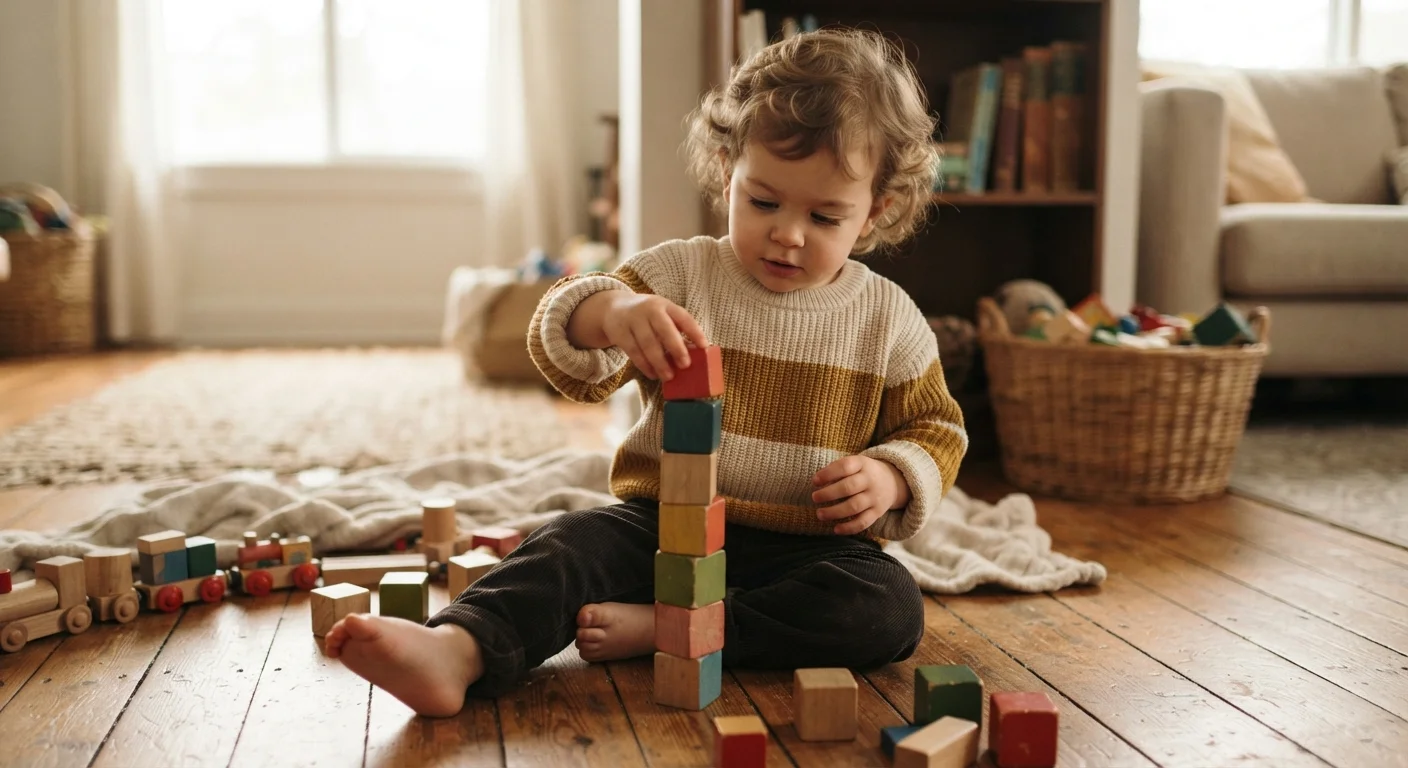
Gross motor skills like walking and jumping tend to get more attention, but fine motor development - the small, coordinated movements of hands and fingers - matters enormously for writing, self-care, and independence. By age 2, most children can stack a few blocks and turn pages. By 4 to 5, they're typically cutting with child scissors and drawing recognizable shapes.
Delays in fine motor skills can affect a child's ability to dress themselves, use utensils, and eventually write. These are also areas where early occupational therapy support, if recommended by a provider, can be very effective. Our article on age-appropriate personal care routines for kids touches on how fine motor readiness connects to self-care habits.
Fine motor delays can quietly affect self-care and school readiness - they deserve as much attention as gross motor skills.
Social Reciprocity and Joint Attention
Joint attention - the ability to share focus on an object or event with another person - is an early social skill that typically emerges between 9 and 14 months. Examples include following a caregiver's pointed finger, showing a toy to a parent to share excitement, or looking back at a caregiver after something surprising happens.
This back-and-forth is a building block for language development, empathy, and later friendship skills. Consistent absence of joint attention behaviors by 14 to 16 months is something developmental pediatricians consider meaningful. It's often one of the earliest indicators assessed when evaluating a child's social communication development.
Joint attention - shared focus between child and caregiver - is a quiet but critical social milestone in the first year.
Feeding and Oral Motor Development
Feeding milestones go well beyond introducing solids. The progression from purees to textured foods, the development of a mature chewing pattern, and the ability to manage a cup independently all reflect underlying oral motor and sensory development. Most children transition to table foods by 12 months and can use a spoon with some spilling by 18 to 24 months.
Persistent gagging on textures beyond early introduction phases, strong aversions to entire food categories, or significant difficulty chewing can signal sensory processing or oral motor challenges. A pediatric feeding specialist or speech-language pathologist may be able to help if a provider recommends evaluation.
Feeding development reflects oral motor and sensory maturation - texture aversions can sometimes signal more than picky eating.
Play Skills and Symbolic Thinking
How children play is a window into cognitive and social development. Symbolic or pretend play - using a block as a phone, feeding a stuffed animal - typically emerges around 18 months and becomes more elaborate through age 3 to 5. This kind of play supports language, creativity, and the ability to understand others' perspectives.
A child who shows little interest in pretend play by age 2, or who plays in repetitive, inflexible ways that don't evolve over time, may be showing a pattern worth discussing with a provider. Rich, varied play isn't just fun - it's developmental work.
Pretend play is a cognitive milestone - a child's imagination at work is also their developing mind building essential skills.
Keeping Development in Perspective
No single milestone tells the whole story of a child's development. Kids grow in uneven bursts - a toddler may have advanced vocabulary but still struggle with fine motor tasks, or show strong spatial reasoning before their speech catches up. That variability is normal.
Make Milestone Notes Before Appointments
Before a well-child visit, jot down a few observations about your child's communication, play habits, and emotional responses over the past month. Brief, specific examples - 'she followed a two-step direction last Tuesday' - are far more useful to a pediatrician than general impressions. A running note on your phone makes this easy to maintain between appointments.
What matters most is a pattern of overall progress over time, not hitting every marker on an exact schedule. If you're noticing persistent gaps, regression in previously acquired skills, or your gut is telling you something feels off, bring it up with your pediatrician sooner rather than later. There are no silly questions in a well-child visit.
Supporting development at home often involves less structure than families expect. Responsive conversations, open-ended play, and consistent routines do more than most formal activities. Our article on habits that support kids' mental health from an early age explores how everyday rhythms shape emotional development over time. For social development specifically, signs of healthy social development in school-age children offers a helpful companion read as your child grows.
This article is for general informational purposes only and does not constitute medical advice. If you have concerns about your child's development, please consult a qualified healthcare professional.