
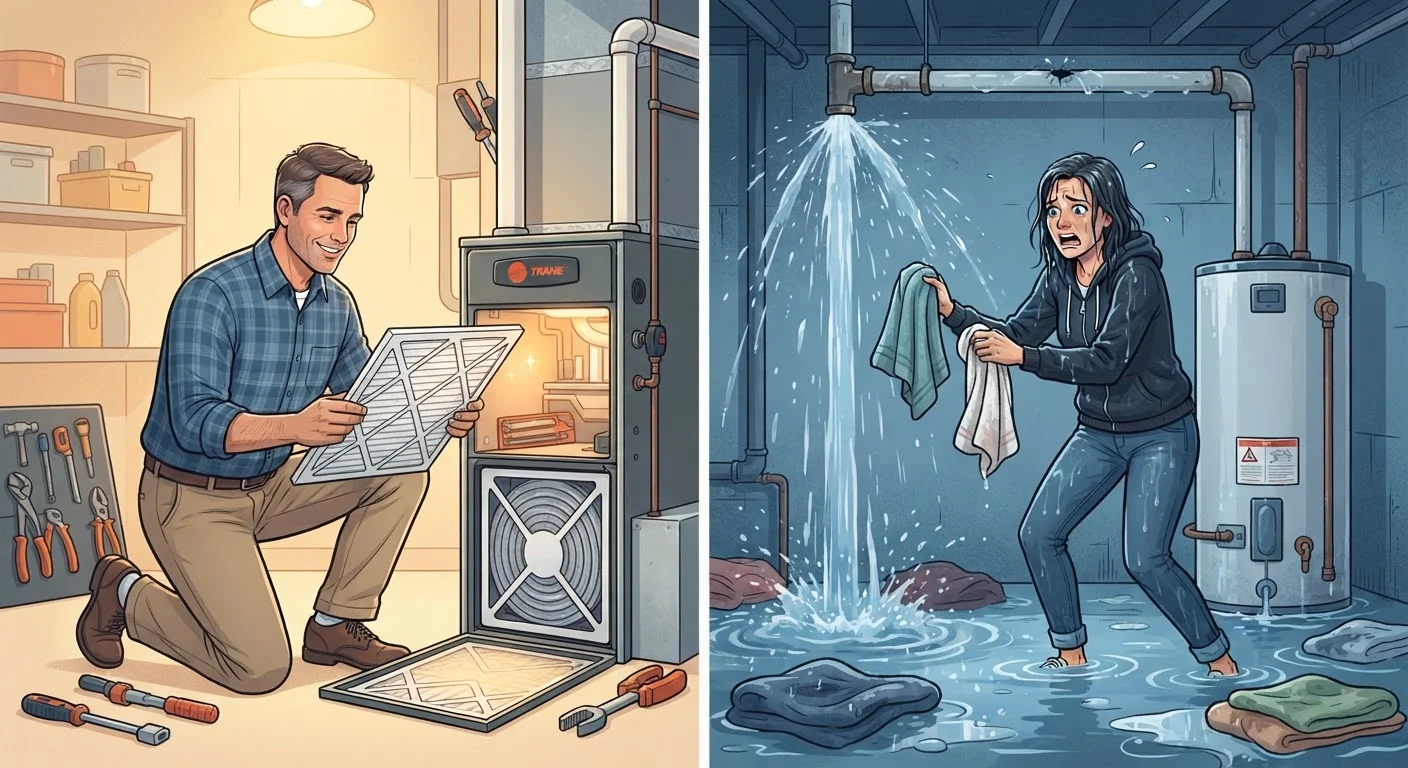
What These Two Approaches Actually Mean
Preventive maintenance means taking scheduled, planned actions to keep home systems working before anything goes wrong — think changing furnace filters every few months or flushing a water heater once a year. Reactive repair means waiting until something breaks and then fixing it. Neither approach is entirely avoidable, but the mix you rely on has a real impact on your wallet and your stress level.
Most beginner homeowners default to the reactive model simply because they don't know what to maintain or when. That's understandable — nobody hands you a manual when you close on a house. But understanding the difference is the first step toward changing the pattern. For a closer look at common misunderstandings that push homeowners toward unnecessary expense, see common home maintenance myths worth knowing about.
How the Two Approaches Compare
The table below shows how preventive and reactive strategies stack up across several key factors that matter most to homeowners.
| Preventive Maintenance | Reactive Repair | |
|---|---|---|
| Typical cost | Lower — small, predictable expenses | Higher — often includes emergency or damage costs |
| Timing | Scheduled in advance | Unplanned, often urgent |
| Disruption to daily life | Minimal — work is planned around your schedule | High — may require immediate attention or temporary displacement |
| Equipment lifespan | Extended through regular care | Shortened by deferred attention |
| Budget predictability | Easy to plan for | Difficult — costs vary widely and arrive without warning |
| Secondary damage risk | Low — problems caught early | Higher — failures can damage surrounding systems |
The cost gap between the two approaches is usually the clearest argument for building a maintenance routine. A clogged dryer vent, for example, costs very little to clean but can cause a house fire or a failed appliance if ignored — repairs or replacements then run into the hundreds or thousands of dollars. The same pattern holds across most home systems.
Where Preventive Maintenance Pays Off Most
Some home systems respond especially well to regular attention:
- HVAC (heating and cooling): Replacing filters regularly and scheduling annual tune-ups can extend equipment life by years and keep energy bills lower.
- Roofing: An annual visual inspection and clearing debris from valleys and gutters can catch minor damage before it becomes a major leak.
- Plumbing: Checking for slow drips, inspecting supply lines under sinks, and knowing where your shutoff valves are can prevent significant water damage.
- Water heater: Flushing sediment annually and checking the pressure relief valve keeps the unit efficient and avoids premature failure.
If you're unsure which tasks tend to fall through the cracks, hidden maintenance jobs new homeowners miss is a practical starting point. The same logic applies to your vehicle — routine auto maintenance follows the exact same preventive-vs-reactive dynamic.
Start With a Simple Annual Checklist
You don't need to tackle every home system at once. Pick three or four tasks — such as changing HVAC filters, testing smoke detectors, and inspecting visible plumbing — and put them on your calendar. Once those feel routine, add a few more. Consistency matters far more than completeness when you're just getting started.
When Reactive Repair Is Simply Unavoidable
No maintenance plan eliminates every failure. Appliances reach the end of their lifespan, hidden defects surface, and severe weather causes sudden damage. Reactive repair is a normal part of homeownership — the goal isn't to eliminate it entirely but to keep it from being your primary strategy.
When you do face an unexpected repair, a few things help: having a basic emergency fund set aside for home costs, knowing which contractors you'd call before an emergency happens, and understanding when a repair cost signals it's time to replace rather than fix. For vehicle owners facing that same crossroads, when to repair versus replace your car walks through the decision clearly.
Don't Delay Repairs Once a Problem Appears
Reactive repair becomes significantly more expensive the longer it's postponed. A small roof leak left unaddressed can lead to mold, structural rot, and interior damage that multiplies the original repair cost several times over. If you notice a problem, get a professional assessment promptly — even if you plan to budget the fix for a later date.
The broader takeaway is that reactive repairs and preventive upkeep aren't opposites — they work together. A good maintenance routine reduces how often you're forced into emergency mode, and when emergencies do happen, you're in a better financial and practical position to handle them.