
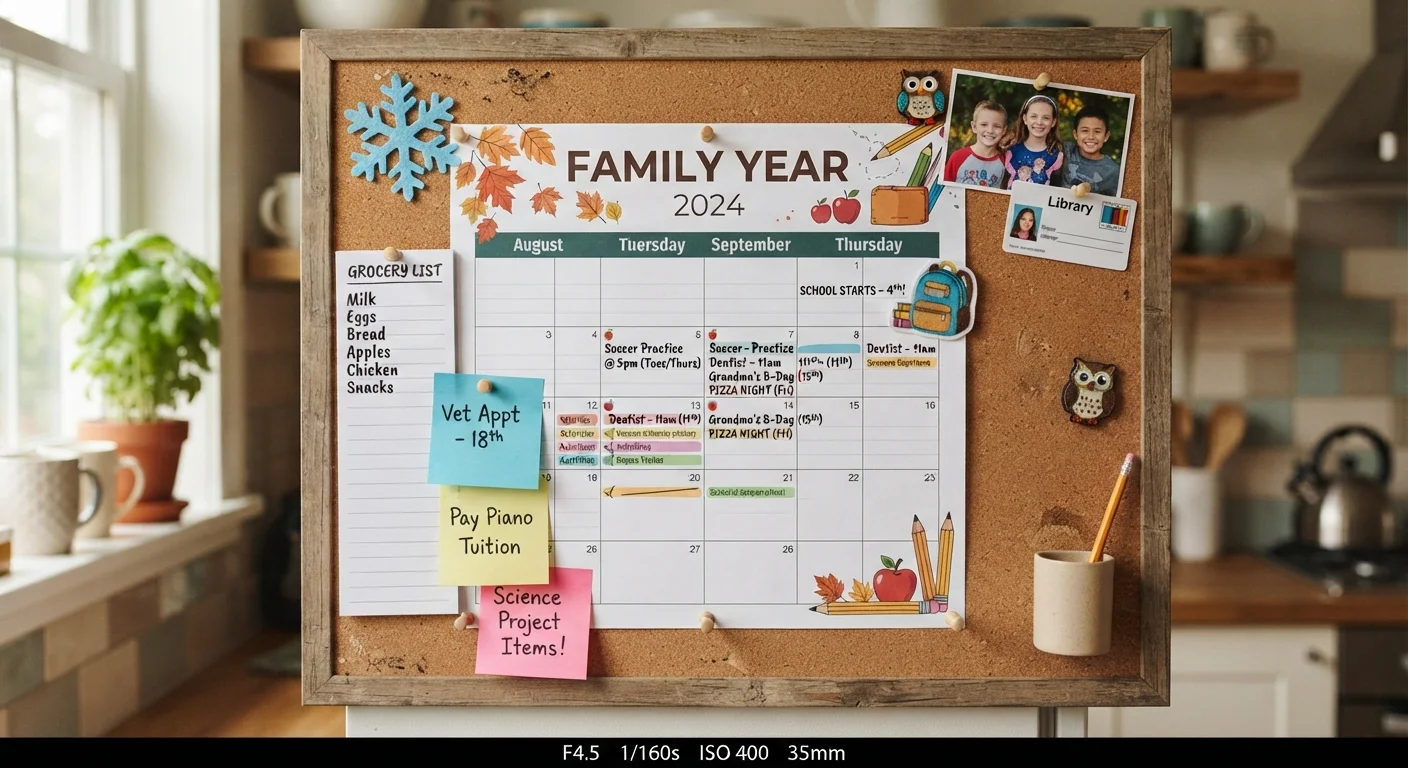
How the Retail Calendar Works
Retailers run their pricing cycles around a predictable rhythm of seasons, holidays, and inventory transitions. When a season ends, unsold merchandise goes on clearance. When a product category has a cultural peak — think back-to-school supplies in late summer — stores compete on price to capture that spending surge. Understanding this rhythm is the foundation of timing your purchases well.
If you're new to shopping around sales cycles, the introduction to seasonal shopping covers the core habits and vocabulary worth knowing first. For the deeper mechanics behind why prices shift, see why prices rise and fall throughout the year.
The month-by-month reference below focuses on common family spending categories — clothing, electronics, appliances, bedding, furniture, and more. It reflects general industry patterns; individual retailers vary, and not every sale window applies everywhere.
| Strongest month for furniture | January (General industry pattern; individual retailer cycles vary) |
| Back-to-school sale start | Mid-July (Typical retail calendar; varies by retailer) |
| Best time for large appliances | Memorial Day weekend & September–October (Tied to holiday promotions and new model releases) |
| Holiday decoration savings | Days after Christmas (Post-holiday clearance is consistent across most retail formats) |
| Winter clothing clearance peak | January–February (Post-holiday inventory transition period) |
| Lawn & garden equipment lows | September–October (End-of-season clearance after peak summer demand) |
Month-by-Month Sale Windows by Category
Use this section as a quick lookup. Plan purchases around these windows rather than reacting to urgency-driven promotions.
January–February
- Furniture & mattresses: Post-holiday inventory clearance makes January and February among the strongest months for home furnishings discounts.
- Winter clothing: Retailers move out cold-weather inventory after the holidays — coats, boots, and sweaters are often deeply reduced.
- Fitness equipment: New Year demand fades quickly, and unsold stock typically sees markdowns by mid-February.
March–April
- Winter apparel (continued clearance): Final clearance on cold-weather items runs through early spring.
- Tax preparation software & services: Competitive promotions appear in the lead-up to the tax filing deadline.
- Vacuums & floor care: Spring cleaning season drives promotional activity in this category.
May–June
- Appliances (large): Memorial Day weekend is historically a strong window for refrigerators, washers, and dryers.
- Outdoor furniture & grills: Early-season promotions appear ahead of summer; end-of-season clearance follows in late August.
- Mattresses: Memorial Day is a traditional mattress sale period alongside January.
July–August
- Back-to-school supplies, clothing & electronics: Retailers begin school-season promotions in mid-July; many states offer tax-free weekends on qualifying purchases during this period.
- Outdoor & patio items: End-of-summer clearance typically deepens in late August.
- Laptops & tablets: Back-to-school demand triggers competitive pricing on student-oriented devices.
September–October
- Summer apparel clearance: Swimwear, shorts, and summer footwear hit end-of-season lows.
- Lawn mowers & garden equipment: Post-summer clearance in September and October can offer meaningful reductions.
- Appliances: New model releases in fall push prior-year models to clearance pricing.
November–December
- Electronics, toys & appliances: Black Friday and Cyber Monday remain the most concentrated sale periods for these categories, though prices often fluctuate in the weeks surrounding the events.
- Holiday decorations: Prices on decorations drop sharply in the days after major holidays — stocking up for next year is a well-known strategy.
- Clothing & linens: End-of-year clearance, particularly after Christmas, covers a wide range of softgoods.
For purchases that don't fit neatly into this calendar, the month-by-month reference for big household purchases provides a more granular look at major item categories.
Seasonal clearance
The period when retailers discount merchandise to clear out inventory as one season ends and another begins. Common examples include post-winter coat sales and end-of-summer outdoor furniture markdowns.
Sale window
A recurring period when a specific product category is typically available at reduced prices due to seasonal, inventory, or promotional factors. These windows are predictable enough to plan purchases around.
Tax-free weekend
A state-designated period — common in back-to-school season — when sales tax is waived on qualifying purchases like clothing and school supplies. Availability, dates, and eligible items vary by state.
New model year effect
When manufacturers release updated versions of a product (commonly electronics and appliances), prior-year models often drop in price as retailers make room for new inventory.
Making the Calendar Work for Your Family
A sale calendar is only useful if it connects to your household's actual needs. The practical approach is to maintain a running list of items your family expects to need within the next six to twelve months — appliances showing wear, clothing sizes kids will grow into, or home goods that need replacing. Cross-reference that list against upcoming windows before buying at full price.
Consistent routines like tracking prices and setting category budgets make seasonal savings reliable rather than accidental. And before you act on any sale event, the household preparation checklist can help you avoid impulse purchases and stay focused on genuine needs.
Keep in mind that not every category follows a rigid schedule — regional retail markets, supply chain shifts, and individual store promotions all introduce variation. Treat these windows as planning guides rather than guarantees. For a broader view of deal-finding across every spending area, see finding deals across every category.
Sale Windows Are Patterns, Not Guarantees
The timing windows in this reference reflect general retail industry patterns observed across many years. Individual retailers, regional markets, and supply chain conditions can all shift when — or whether — discounts appear. This information is for general planning purposes only and does not guarantee specific savings at any particular time or store.