
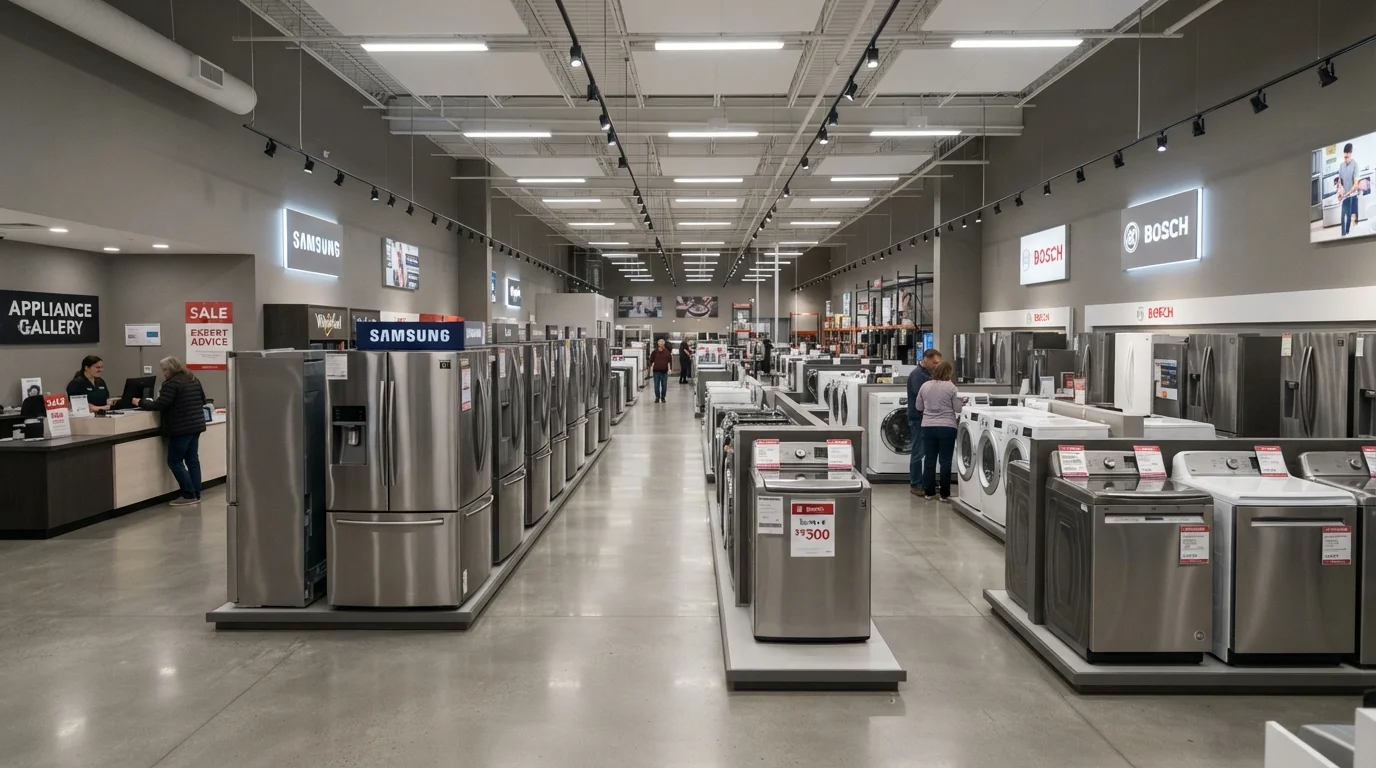
Why Appliance Prices Move on a Schedule
Large appliances aren't priced the way everyday groceries are — retailers don't adjust them constantly based on demand. Instead, prices on refrigerators, washing machines, dishwashers, and ranges tend to shift at predictable points driven by two forces: manufacturer model-year cycles and retail promotional calendars.
Manufacturers typically introduce updated appliance lines in late winter or early spring. When new models arrive, retailers need to clear prior-year inventory from showrooms and warehouses. That creates genuine markdown pressure — not just cosmetic sale signage. This is the same underlying logic that drives off-season pricing in other categories; the off-season clothing buying guide explains the same pattern applied to apparel.
On top of model cycles, large appliance retailers have historically clustered promotions around specific holiday weekends — Memorial Day, Labor Day, and the post-Thanksgiving period in particular. These events drive high foot traffic and give retailers cover to run visible promotions without discounting year-round.
Understanding both drivers means you can anticipate when prices are likely to soften, rather than stumbling onto a sale by luck. This is the core idea behind seasonal shopping planning for families — knowing the pattern before you need to buy.
Don't Wait If Your Appliance Has Failed
Timing strategies only work when you have flexibility. If your refrigerator stops cooling or your washer won't drain, replacing it immediately is the right call — a spoiled week of groceries or water damage from a broken appliance will cost far more than any sale discount. Use this guide for planned replacements, not emergencies.
How to Time Your Appliance Purchase: Step-by-Step
The steps below are designed for planned replacements — situations where you have at least a few months of lead time before you need the new appliance. Use the tools and prerequisites below to prepare before working through the steps.
What you will need
Appliance purchase timeline (written or digital)
Tracks which appliances in your home are aging, their typical lifespan, and the next likely replacement window.
Price-history tracking tool
Records regular prices ahead of sale events so you can verify whether a promoted discount is genuine.
Retailer email or app notifications
Alerts you when a specific model drops in price or a relevant sale event begins.
Competitor price listings
Used to request price matches at retailers with matching policies, potentially extending sale savings.
Map out your household appliance timeline
Before you can time a purchase strategically, you need to know what you're replacing and when. Walk through your home and note the age and condition of major appliances — refrigerators, ranges, dishwashers, washers, and dryers. Most large appliances have expected lifespans ranging from roughly 10 to 15 years depending on type and usage.
For each aging unit, estimate how many years of reliable use remain. This gives you a planning window: an appliance with two or three years left gives you real timing flexibility; one that's already showing problems does not. This exercise is the foundation of a broader household purchase plan built around retail cycles.
Learn the key appliance sale windows
Large appliance retailers tend to reduce prices at consistent, recurring points in the year. Understanding these windows lets you plan rather than react:
- Holiday weekends (May, September, November): Memorial Day, Labor Day, and the Thanksgiving/Black Friday weekend are historically the most active periods for appliance promotions. Retailers use these events to drive foot traffic and move inventory.
- Late winter and early spring (January–March): Manufacturers typically release new appliance models in this window. As new inventory arrives, prior-year models are marked down to clear floor and warehouse space. This can be a strong opportunity if you don't need the newest features.
- Post-holiday clearance (late December–January): Retailers clear showroom stock after the holiday rush, sometimes offering meaningful reductions on display models and remaining inventory.
These patterns are consistent enough to plan around. The month-by-month purchase timing reference covers how these windows fit across the full calendar year.
Set a price baseline before the sale window opens
Once you've identified the appliance you want to buy, record its regular retail price at least four to six weeks before a sale event you're targeting. Retailers occasionally raise list prices before a promotion, which can make a discount look larger than it is.
A simple note with the date, retailer, model, and price is enough. If you use a browser extension that logs price history for online listings, that can provide additional context — though the core method requires no special tools.
[tip_callout]Evaluate floor models and prior-year inventory carefully
During clearance windows — particularly after new models arrive — retailers may offer prior-year units, floor models, or open-box appliances at noticeably lower prices. These can represent genuine value, but require additional scrutiny.
Ask specifically: What warranty is included? Is delivery and installation available at the same terms? Are all components present? Inspect any floor model for cosmetic damage or missing parts before committing.
[warning_callout]Use price matching to extend your window
Many large appliance retailers have price matching policies — meaning if a competitor is selling the same model for less, they may honor that price. This is worth understanding because it can effectively extend a sale beyond its advertised end date, or let you buy from a retailer you trust while paying a competitor's lower price.
Price matching rules vary significantly by retailer: some require a current, verifiable listing; some exclude online-only sellers; others have time limits after purchase. Learn the specifics before you buy. The price matching policies explainer walks through what to ask and what to expect.
Factor in delivery, installation, and haul-away costs
The sticker price of an appliance is rarely the total cost. Delivery fees, installation charges, and disposal fees for the old unit can add meaningfully to what you actually pay. Some retailers bundle these during promotional events; others always charge separately.
When comparing prices across retailers or evaluating a sale, ask for an all-in price that includes delivery and installation to your specific address, and confirm whether old-appliance removal is included. A lower sticker price with added fees may not be the better value.
For a broader view of how this approach fits into managing all your household's major purchases, see the guide to building a household purchase plan and the finding deals hub for additional strategies.