
How the Retail Clothing Cycle Works
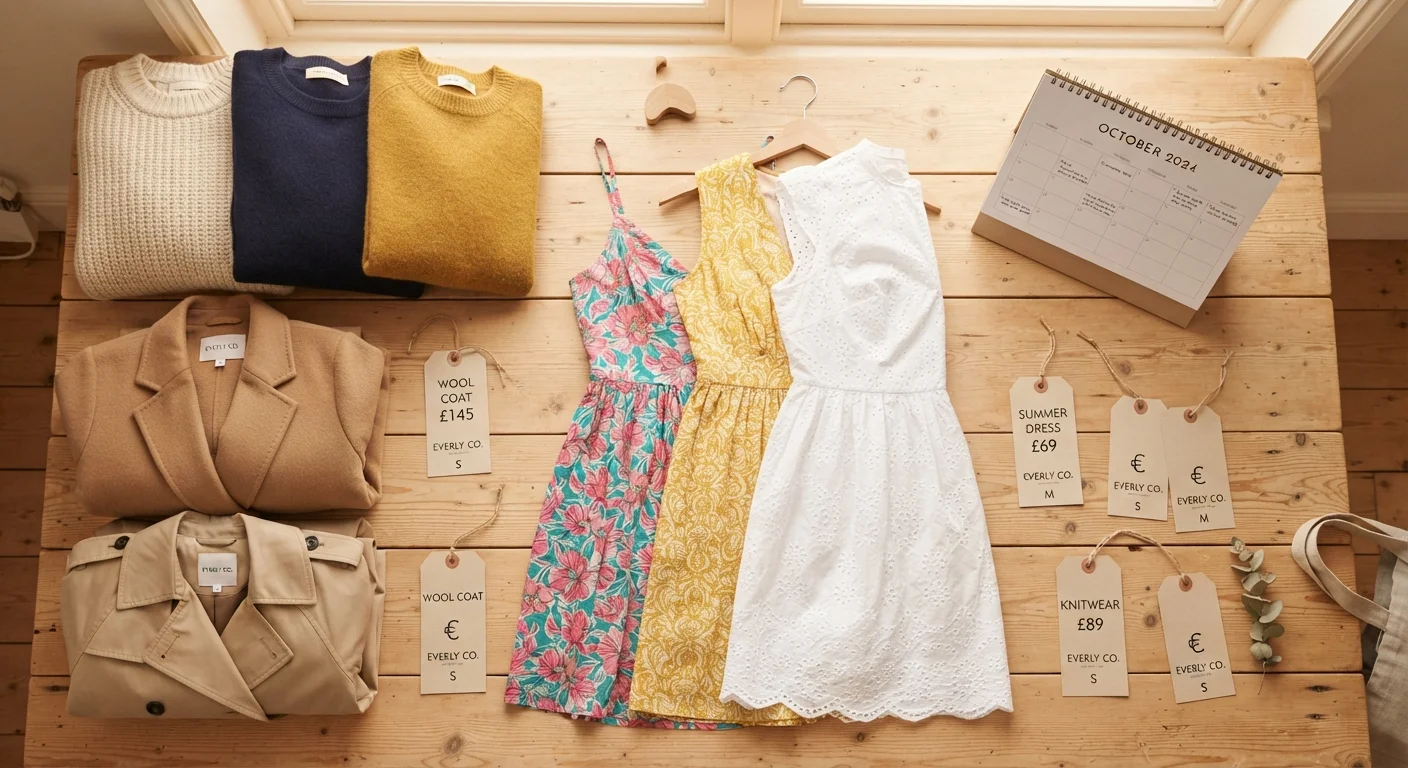
Retail clothing stores don't operate on the same calendar you live by. By the time summer feels fully underway, retailers have already received their fall inventory and are actively trying to move remaining summer stock off the shelves. This gap between when merchandise arrives and when customers actually need it is the engine behind off-season savings.
Here's the basic pattern most clothing retailers follow:
- Spring/Summer merchandise arrives in stores roughly January through March.
- Fall/Winter merchandise begins appearing on racks as early as July or August.
- End-of-season clearance typically kicks in 6–10 weeks before the next season's stock needs floor space.
Understanding this rhythm is the first step toward using it to your family's advantage. For a broader look at how predictable sales cycles apply beyond clothing, our introduction to seasonal shopping covers the core vocabulary and habits that make the approach work.
Off-Season Timing Varies by Retailer
Not every store follows the same clearance schedule. Larger department stores and national chains often mark down seasonal items earlier and more aggressively than smaller specialty retailers. It's worth browsing a few stores you shop regularly over a season to get a feel for their specific markdown timing before counting on a particular window.
What Families Can Realistically Save
Price reductions during end-of-season clearance aren't trivial. It's common for seasonal clothing to be marked down 30–50% from original retail prices, and in some cases clearance tags go even further. That said, savings vary widely by retailer, item type, and how early or late in the clearance window you shop.
30–50%
Typical end-of-season clothing markdown range
Retail industry analysts generally observe that end-of-season clearance on apparel commonly falls in this range, though exact discounts vary by retailer and category.
6–10 weeks
Typical clearance window before new season stock arrives
Most major clothing retailers begin marking down seasonal inventory 6 to 10 weeks before new-season merchandise needs the floor space.
~1 size/year
Average clothing size growth for school-age children
Pediatric growth patterns suggest most school-age children advance roughly one clothing size per year, though individual variation is significant.
The most reliable savings tend to appear on outerwear (coats, parkas, rainwear), cold-weather accessories, and swimwear — categories with the most obvious seasonal demand. Basics like plain T-shirts or neutral denim may see lighter markdowns because they sell year-round. For a deeper look at what drives end-of-season pricing, our guide to end-of-season clearance explains the mechanics behind genuine markdowns.
It's also worth noting that price reductions don't always mean a deal — if you buy three winter coats because they're cheap and only one gets worn, the household spent more, not less. Common seasonal shopping pitfalls are easy to sidestep once you know what to watch for.
Practical Tips for Shopping Ahead for Kids
Off-season shopping and kids' clothing can be a natural match — with one big caveat. Children grow, and a coat that fits a five-year-old in February may be too small by November. The strategy works best when you:
- Know your child's current size and track growth rate. Most children grow roughly one clothing size per year, though this varies considerably by age and child.
- Size up strategically. Buying one size ahead for younger children and two sizes ahead for toddlers is a common approach, but use your own knowledge of your child's growth pattern.
- Stick to basics. A classic navy puffer coat or a pair of neutral cargo pants will still be wearable — and wanted — next year. A highly trend-driven piece may not survive the season gap intact.
For families thinking about durability as well as price, understanding cost-per-wear in kids' clothing is a helpful companion read — because a marked-down piece that falls apart after three washes isn't actually a saving.
Store Purchases Properly Until Next Season
Off-season pieces need somewhere to live for several months. Clean items before storing — stains set over time, and odors can transfer. Breathable storage bags or a dedicated bin labeled by family member helps you actually find the items when the season arrives. Folded knitwear stores better than hanging to prevent stretching.
Building Off-Season Shopping Into Your Family's Routine
The families who benefit most from off-season shopping treat it as a planned habit rather than a spontaneous impulse. A few simple practices make a meaningful difference:
- Keep a household clothing inventory. A basic note on your phone listing each family member's current sizes and what they'll need next season prevents duplicate purchases and size mistakes.
- Set category budgets in advance. Decide before you shop how much you're willing to spend on, say, winter outerwear — and treat that as a firm ceiling, not a starting point.
- Note retailer clearance windows. Many stores run predictable clearance timelines. Building consistent seasonal shopping habits makes these windows reliable rather than hit-or-miss.
- Compare in-store and online pricing. Clearance availability and depth can differ between channels. Understanding in-store vs. online seasonal pricing helps you decide where to look first.
For families ready to map this approach across the whole calendar year, a year-round seasonal savings playbook offers a comprehensive framework to follow.