
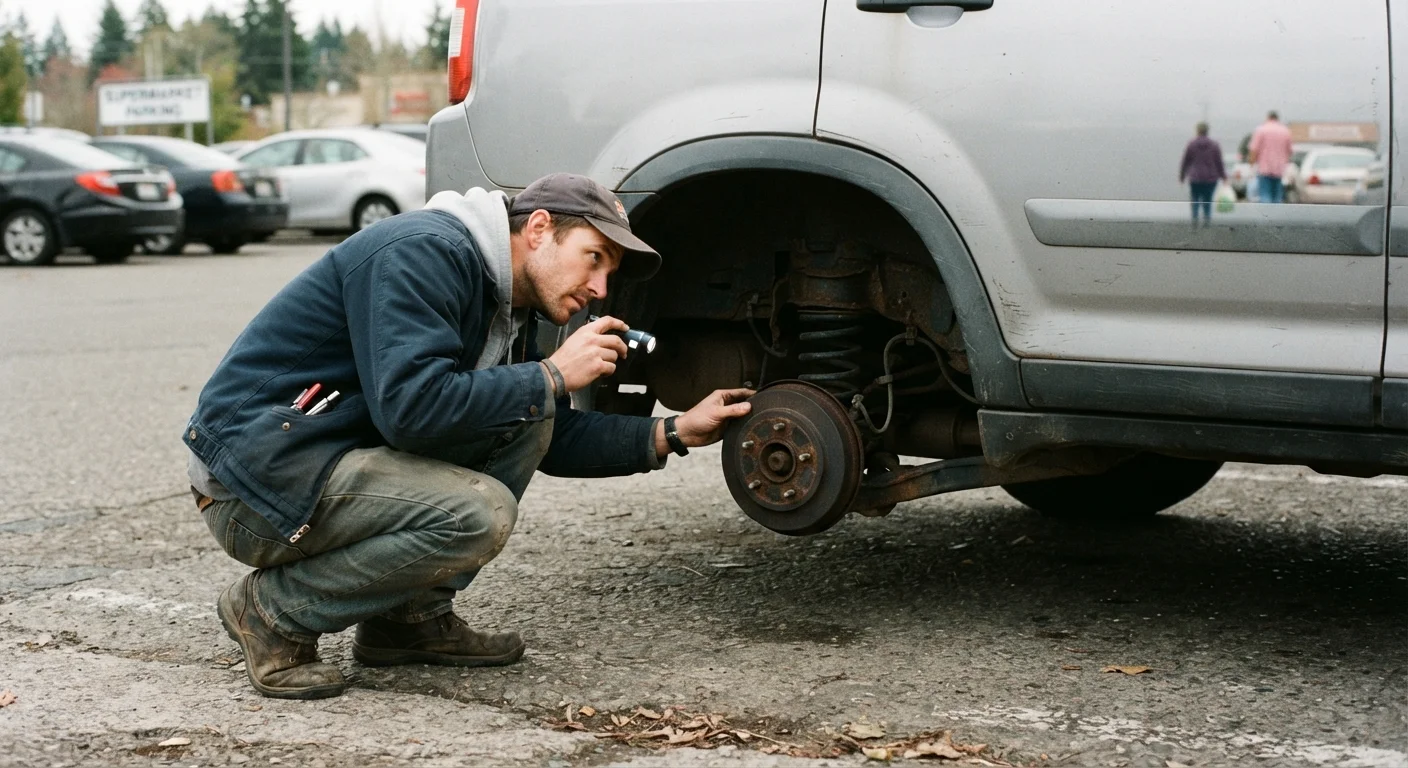
Why This Checklist Exists
Buying a used car is one of the larger purchases a family makes, and it's easy to get caught up in how a vehicle looks or how it feels on a quick test drive. But looks can hide a lot — rust tucked under a fresh coat of paint, an oil leak that only shows up after the engine warms up, or worn brake pads that still have just enough material to pass a casual glance.
This checklist gives you a structured way to slow down and look at all the things that matter before any money changes hands. If you're still deciding whether used is the right path for your family at all, see our guide to weighing new vs. used first. And once you have a history report in hand, our article on reading between the lines of a used car history report can help you interpret what you're seeing.
Go through this list in order. Each section builds on the last, and skipping ahead often means missing something important.
Flashlight
Illuminate dark areas under the hood, beneath the vehicle, and inside the trunk or cargo area.
Vehicle History Report Service
Pull a full report using the VIN to check for accidents, title issues, prior owners, and odometer discrepancies.
Independent Mechanic
Perform a professional pre-purchase inspection to identify issues not visible during a walk-around.
Tire Tread Depth Gauge
Measure remaining tire tread to estimate how soon tires will need to be replaced.
Notepad or Checklist App
Record observations as you go so nothing gets forgotten before you talk with the seller.
The Inspection Checklist
Work through these checks during your in-person visit. Bring a flashlight, wear clothes you don't mind getting dirty, and block out enough time to do this properly — rushing is how problems get missed.
Never Skip the Independent Mechanic
A seller's willingness to let you have the car independently inspected is itself a signal. If a seller refuses or pressures you to skip this step, treat that as a serious red flag. A professional inspection by a mechanic unconnected to the sale is the single most reliable way to catch hidden mechanical problems before you're responsible for them.
Paperwork and History
Exterior Walk-Around
Under the Hood
Interior and Electronics
Test Drive
Professional Inspection
Flood and Salvage Titles Are High-Risk
Vehicles with salvage or flood-branded titles have typically been declared a total loss by an insurance company. They may be roadworthy after repairs, but they carry ongoing risks — including corrosion, electrical problems, and reduced resale value — that can be difficult to assess even with a professional inspection. Approach these vehicles with caution and understand what you're taking on.
Don't Inspect in Poor Conditions
Avoid inspecting a car in dim light, rain, or in a cramped garage where you can't see all sides clearly. Sellers who only make a car available at night or in low-visibility situations may be making it harder for you to spot problems. Always insist on inspecting in daylight on a flat, open surface.
After the Inspection: What Comes Next
If the vehicle passes your walk-around without any red flags, the next step is scheduling a professional pre-purchase inspection (PPI) with an independent mechanic — meaning a shop that has no connection to the seller. A PPI typically costs between $100 and $200 and can surface issues that aren't visible to the naked eye, such as frame damage, internal engine wear, or transmission problems. That cost is small compared to what a major repair could run.
If the inspection turns up issues, you have a few options: negotiate the price down to reflect the repair cost, ask the seller to fix it before the sale, or walk away. None of those options are available to you if you already signed the paperwork.
For more on what comes after the purchase — insurance, registration, ongoing upkeep — the complete family guide to auto ownership walks through the full lifecycle of owning a vehicle in plain language.
This article is for general informational purposes only. Vehicle condition, repair costs, and legal requirements vary widely. Always consult a qualified mechanic and verify local regulations before completing any vehicle purchase.