
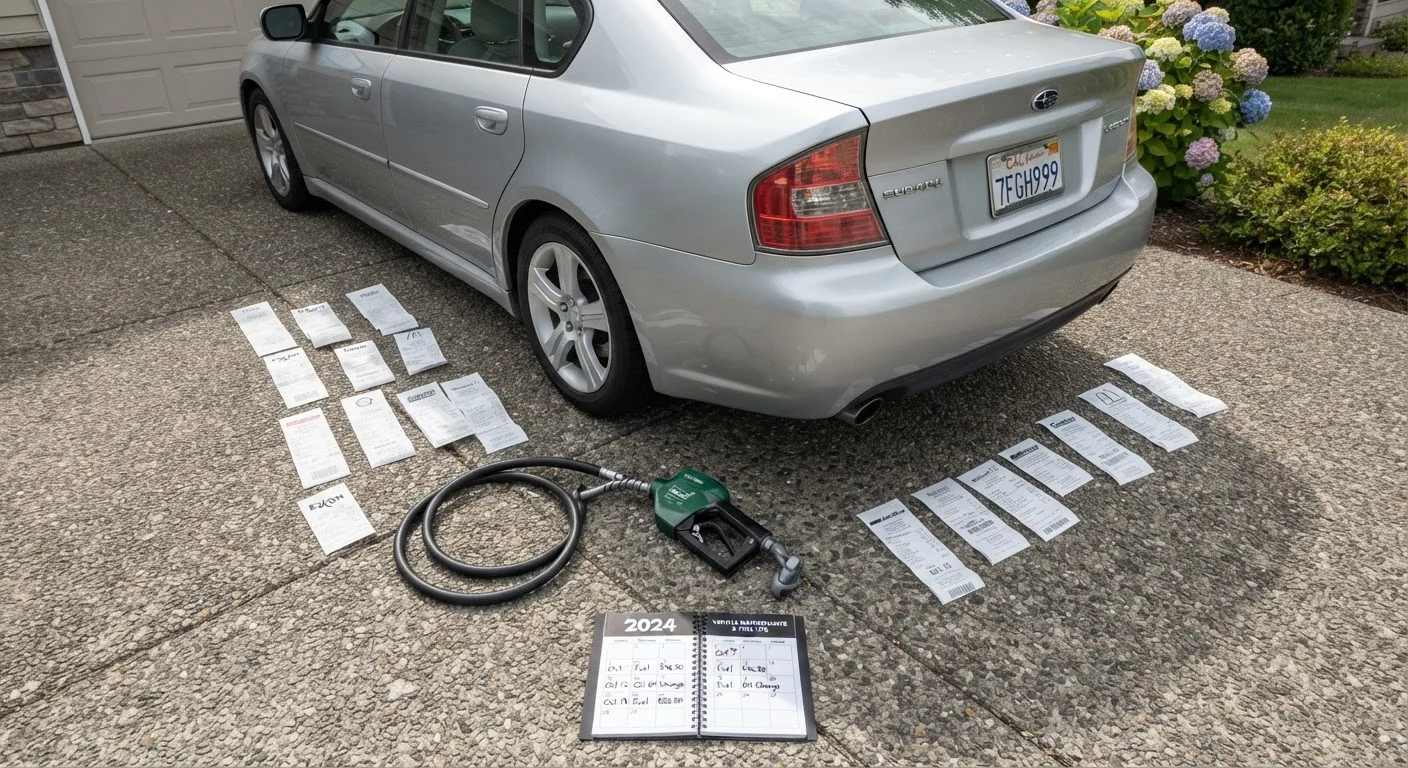
What You're Really Paying Each Year
Most families think of their car payment as their main car expense. But the monthly loan or lease payment is just one slice of a much larger annual cost. When you add up fuel, insurance, registration, maintenance, and the occasional repair, the total can surprise even careful budgeters.
This reference breaks down the major cost categories so you can build a realistic picture of what your car actually costs over a full year. These are general ranges based on typical usage — your actual numbers will vary based on vehicle age, location, driving habits, and coverage choices.
For a broader look at where auto costs fit in your household spending, see our guide to building a monthly household budget.
Breaking Down Each Cost Category
Understanding what goes into each line item helps you plan — and spot where you might have room to adjust.
Depreciation
The decrease in your vehicle's market value over time. It's not a bill you pay monthly, but it represents real money lost when you sell or trade in the car.
Full coverage insurance
An auto insurance package that typically includes liability, collision, and comprehensive coverage. It costs more than minimum required coverage but protects against a wider range of losses.
Routine maintenance
Scheduled, preventive service tasks — like oil changes and tire rotations — outlined in your vehicle's owner's manual. Staying current helps prevent more costly repairs down the road.
Registration fee
An annual or biennial fee paid to your state to legally operate your vehicle on public roads. Amounts vary significantly by state and vehicle type.
MPG (Miles Per Gallon)
A measure of fuel efficiency — how many miles your vehicle travels on one gallon of gas. A higher MPG generally means lower annual fuel costs.
Fuel
Fuel is typically the most variable cost. Annual fuel spending depends on how many miles you drive, your vehicle's fuel efficiency (measured in miles per gallon, or MPG), and local gas prices. A family driving around 15,000 miles per year in a midsize sedan might spend roughly $1,500–$2,500 annually on fuel, though this range shifts with gas prices and driving patterns.
Auto Insurance
Insurance premiums vary widely based on your state, driving record, the vehicle you drive, and the coverage levels you choose. Nationally, annual premiums for a single vehicle commonly fall somewhere between $1,200 and $2,500 for full coverage, though this is general guidance — actual quotes depend on your individual profile. For more on what drives your costs, the full cost breakdown article covers insurance in more detail.
Registration and Fees
Every state charges annual or biennial vehicle registration fees. Depending on where you live and the value or weight of your vehicle, this can range from under $50 to several hundred dollars per year. Some states also require emissions or safety inspections with their own fees.
Routine Maintenance
This includes oil changes (typically every 5,000–10,000 miles depending on oil type and your owner's manual), tire rotations, air filter replacements, and fluid top-offs. Budgeting $400–$800 per year for routine service on a well-maintained vehicle is a reasonable starting point for many families.
Tires
Tires are a significant but infrequent cost. A set of four standard tires for a passenger vehicle generally runs $400–$900 installed, and most tires last 40,000–70,000 miles. Spreading that cost across the life of the tires, you might budget roughly $100–$200 per year.
Repairs and Unexpected Costs
This is the category that catches families off guard. Brake jobs, battery replacements, belts, and other repairs can each run $200–$800 or more. Many financial planners suggest setting aside at least $500–$1,000 per year in a dedicated car repair fund. Hidden costs that surprise new car buyers covers this in depth.
Depreciation
Depreciation — the loss in your vehicle's value over time — is a real cost even if you don't pay it in cash. New vehicles can lose 15–20% of their value in the first year alone. While depreciation isn't a monthly bill, it matters when you eventually sell or trade in. See the complete family auto ownership guide for more on the full vehicle lifecycle.
~$10,000+
Estimated annual cost to own and operate a vehicle
AAA has historically estimated total annual driving costs in this range for a typical sedan, including depreciation, insurance, fuel, and maintenance.
15–20%
Value a new car can lose in its first year
Depreciation is often the single largest cost of ownership, though it varies by vehicle type and market demand.
Where you store your car can also affect both depreciation and repair costs over time. Our article on garaged vs. street-parked vehicles explains the difference.
If you're weighing whether a second vehicle makes sense for your family, owning one car vs. two lays out the financial trade-offs clearly.
This article provides general financial information for educational purposes only and is not personalized financial or legal advice. Cost ranges are estimates and will vary based on your specific vehicle, location, and circumstances. Consult a qualified financial adviser for guidance tailored to your situation.