
Why Reports Look Scarier Than They Are
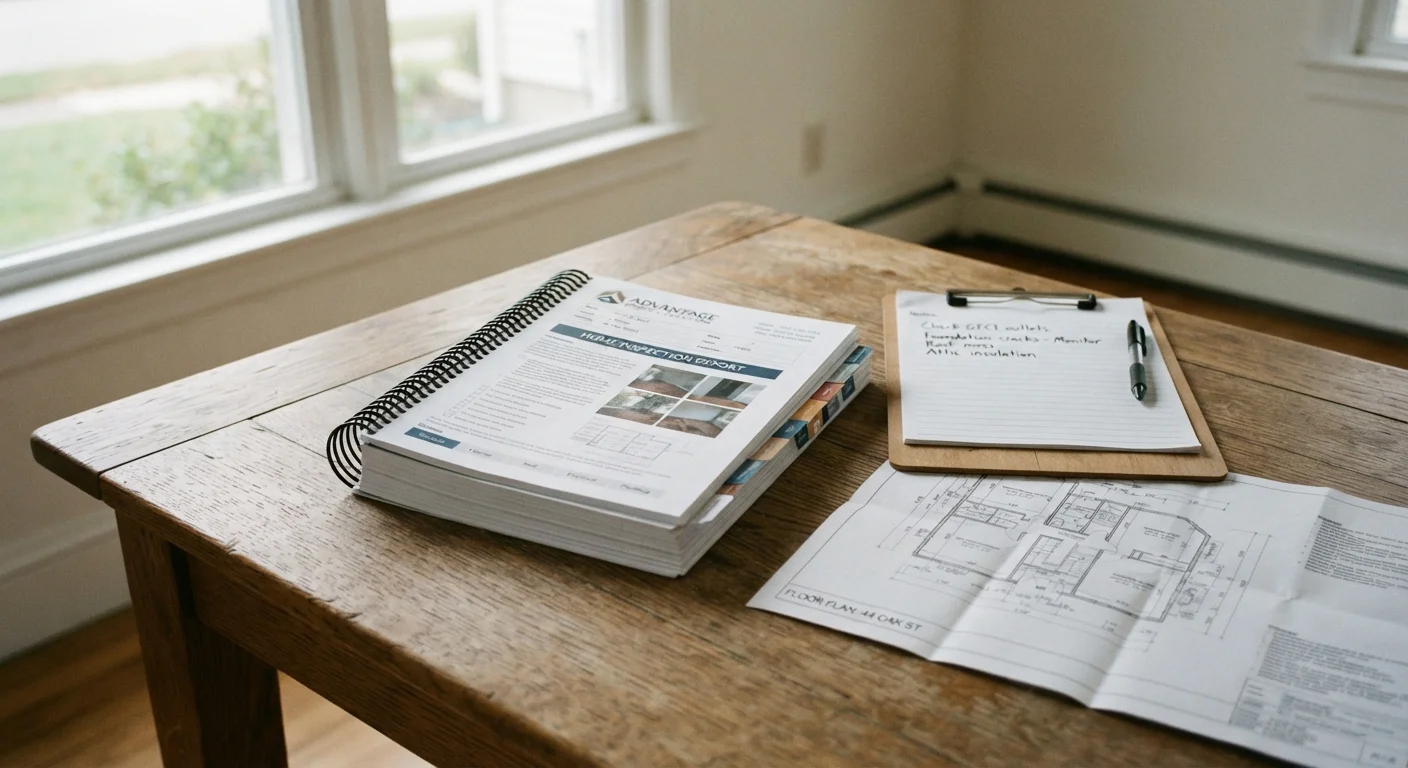
Most home inspection reports run between 40 and 80 pages. For a first-time buyer or a new homeowner reviewing one for the first time, that stack of findings, photographs, and checkboxes can feel overwhelming. The key thing to understand up front: an inspection report is a snapshot, not a verdict. It documents what the inspector observed on a single day, and it is designed to be comprehensive — so it will include everything from a missing outlet cover to a cracked chimney cap.
Inspectors are trained to note what they see, not to tell you whether to buy or walk away. That judgment call is yours. Your job is to sort the findings into categories: what's urgent, what's worth negotiating over, and what's just normal wear you can address over time.
Inspectors Note What They Can See
A standard home inspection only covers visible and accessible areas. Inside walls, buried pipes, and concealed structural members are outside scope. If the inspector suspects a hidden problem — moisture behind drywall, for example — they'll recommend further investigation. That recommendation is worth following up on.
How to Read the Report's Structure
Most reports are organized by location or system — roof, exterior, foundation, electrical, plumbing, HVAC, interior. Within each section, the inspector assigns a condition rating to components. Common labels include Satisfactory, Marginal, Defective, and Safety Hazard, though the exact terms vary by inspector and software.
Pay closest attention to anything flagged as Defective or a Safety Hazard. These are the findings that typically need a licensed professional — an electrician, plumber, or structural engineer — to evaluate and repair. Items labeled Marginal are often things that are functioning now but showing wear; think of them as your maintenance watchlist.
Photos in the report are your friend. An inspector's written description of "evidence of moisture intrusion at the base of the water heater" is much easier to understand when paired with the accompanying picture. If a photo is unclear, ask the inspector to clarify before the inspection period closes.
To understand what systems the inspector is evaluating, it helps to have a basic grasp of how those systems work. Our guide to key home systems walks through electrical panels, plumbing shut-offs, and load-bearing walls in plain language.
~86%
Homes with at least one defect found
According to data from the American Society of Home Inspectors, the vast majority of inspected homes have at least one deficiency noted in the report.
40–80
Typical report page count
Most standard home inspection reports run between 40 and 80 pages when photos and condition summaries are included.
Sorting Findings: Urgent vs. Can Wait
Once you've read through the report, group the findings into three buckets:
- Act now: Safety hazards and failed systems. Examples include exposed electrical wiring, a furnace with a cracked heat exchanger, active water leaks, or evidence of structural movement. These carry real risk and should be addressed before or immediately after moving in.
- Plan for soon: Systems or components nearing the end of their lifespan — an aging roof with a few years left, an older water heater that's still working, minor foundation cracks that are stable. Budget for these within one to three years.
- Monitor or DIY: Cosmetic defects, minor caulk gaps, a sticking door, or a missing downspout extension. These are normal maintenance items that most homeowners can handle themselves over time.
This three-bucket approach keeps you from treating a missing doorstop with the same urgency as a faulty electrical panel.
Keep Your Report After Closing
Once you own the home, your inspection report becomes a useful maintenance reference. It documents the age and condition of major systems at the time of purchase, which helps you track when things are likely to need replacement. Store a digital copy somewhere easy to find.
When to Call in a Specialist
A home inspector is a generalist. When they flag something significant — say, stair-step cracking in a brick foundation or evidence of knob-and-tube wiring — they will often recommend a specialist follow-up. Take that recommendation seriously.
Common specialist referrals include:
- Structural engineer — for foundation cracks, sagging floors, or roof framing concerns
- Licensed electrician — for panel issues, aluminum branch wiring, or unsafe DIY wiring
- Licensed plumber — for older galvanized pipes, sewer line concerns, or water pressure problems
- HVAC technician — for furnace, AC, or ductwork issues the inspector couldn't fully assess
Getting a specialist's written estimate before closing also gives you something concrete to use in price negotiations. Just as you'd read a vehicle history report carefully before buying a used car — as we explain in our guide to used car history reports — digging deeper on inspection flags protects you from surprises after the deal is done.
This article is for general informational purposes only. Always consult qualified, licensed professionals for evaluation and repair of home systems.