
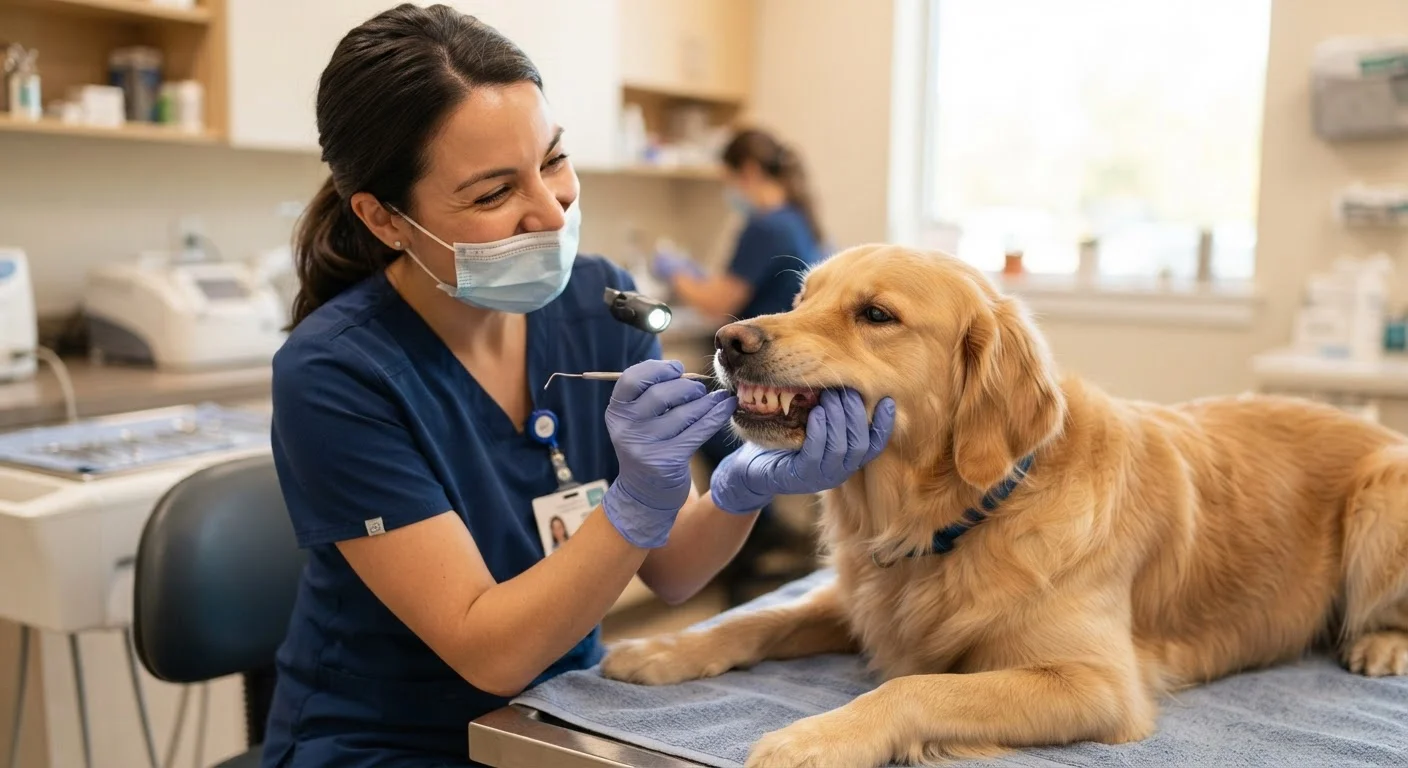
Why Dental Health Gets Left Behind
When families think about pet health, they typically think about vaccinations, flea prevention, or annual checkups. Dental care rarely makes that mental list — and yet veterinary professionals consistently rank it among the most neglected aspects of routine pet ownership.
Part of the reason is visibility. A limping dog or a sneezing cat signals something is wrong. Dental disease is mostly invisible from the outside, developing quietly beneath the gumline while a pet shows few obvious signs of discomfort. Pets are also remarkably good at hiding pain — an instinct rooted in survival behavior. This is why recognizing subtle signs of pain is a skill every pet owner benefits from developing.
There's also a perception issue. Many owners assume bad breath is just a normal part of having a dog or cat. In reality, persistent bad breath is frequently a clinical sign of bacterial buildup — not a quirk of owning a pet.
Dental Disease Can Look Like Other Problems
Because pets hide mouth pain so effectively, dental disease sometimes presents as generalized lethargy, decreased appetite, or behavioral changes rather than obvious oral symptoms. If your pet seems "off" without a clear cause, dental health is worth raising with your vet as a possible contributing factor.
What Happens Inside a Pet's Mouth Over Time
Dental disease in pets follows a predictable progression. It starts with plaque — a soft film of bacteria that forms on tooth surfaces after eating. If plaque isn't removed, it mineralizes into tartar, a hard calcified deposit that cannot be brushed away at home. Tartar buildup irritates the gums, leading to gingivitis (gum inflammation). From there, bacteria can work their way below the gumline, destroying the ligaments and bone that hold teeth in place.
This is periodontal disease in its more advanced stages. Affected pets may experience loosening teeth, painful abscesses, and chronic low-grade infection. Because the gums are highly vascular, bacteria from the mouth can enter the bloodstream and create stress on the kidneys, liver, and heart over time.
~80%
Dogs showing dental disease by age 3
Veterinary consensus estimates that approximately 80% of dogs show some sign of periodontal disease by their third year of life.
~70%
Cats with dental disease by age 3
Similar estimates from veterinary dental specialists suggest roughly 70% of cats develop dental disease by age three.
#1
Most diagnosed condition in pets
Periodontal disease is widely cited by veterinary organizations as the most commonly diagnosed health condition in companion animals.
What makes this especially concerning for owners is that Stage 1 and Stage 2 disease often produce no behavioral changes a family would notice. The pet eats, plays, and behaves normally while disease advances beneath the surface.
How Vets Diagnose and Treat Dental Disease
A standard veterinary wellness exam includes a visual look at the teeth and gums, but a thorough dental assessment requires anesthesia. This surprises many pet owners, but it's necessary: full evaluation involves probing below the gumline and taking dental X-rays — neither of which a conscious pet will comfortably tolerate.
Professional dental cleanings under anesthesia allow the vet to scale tartar from all tooth surfaces (including below the gumline), probe for pockets, take X-rays to assess bone health, and extract teeth that are no longer salvageable. The anesthesia component often creates hesitation among owners, particularly those with senior pets. That concern is reasonable to raise with your vet, who can walk through the risk-benefit picture for your individual animal. Older pets have specific health considerations that factor into anesthesia decisions, which your vet will account for.
Ask Your Vet for a Dental Grade
At your pet's next wellness visit, ask the vet to assign a dental health score or stage. This gives you a concrete baseline to track over time. Even if your pet appears fine, knowing where they stand helps you understand how often cleanings are needed and whether home brushing is keeping pace with plaque buildup.
What You Can Do at Home
The most effective home strategy is daily tooth brushing using a pet-safe toothpaste and a soft-bristled brush. This removes plaque before it can harden into tartar. It's most easily established when started in puppyhood or kittenhood, but adult pets can learn to tolerate it with gradual introduction and consistent positive reinforcement.
For pets who won't accept brushing, veterinary-approved dental chews, water additives, and oral gels offer partial benefit. These are not substitutes for brushing or professional cleanings, but they can slow plaque accumulation between vet visits. Look for products carrying the Veterinary Oral Health Council (VOHC) seal, which indicates the product has met established efficacy standards.
Dental health fits naturally into a broader set of daily habits that support long-term pet wellbeing. Like maintaining consistent nutrition — covered in our pet nutrition guidance — it's the kind of routine practice that compounds over years into meaningfully better health outcomes.
“Dental disease is painful, progressive, and largely preventable — yet it remains the most under-treated condition we see. Most owners are surprised to learn how far along it can be before their pet shows any sign of discomfort.”
— Veterinary Dental Specialist (paraphrased from veterinary dental education materials), Board-certified veterinary dentist
This article is for general informational purposes only and does not constitute veterinary medical advice. Always consult a licensed veterinarian for questions about your pet's specific health needs.