
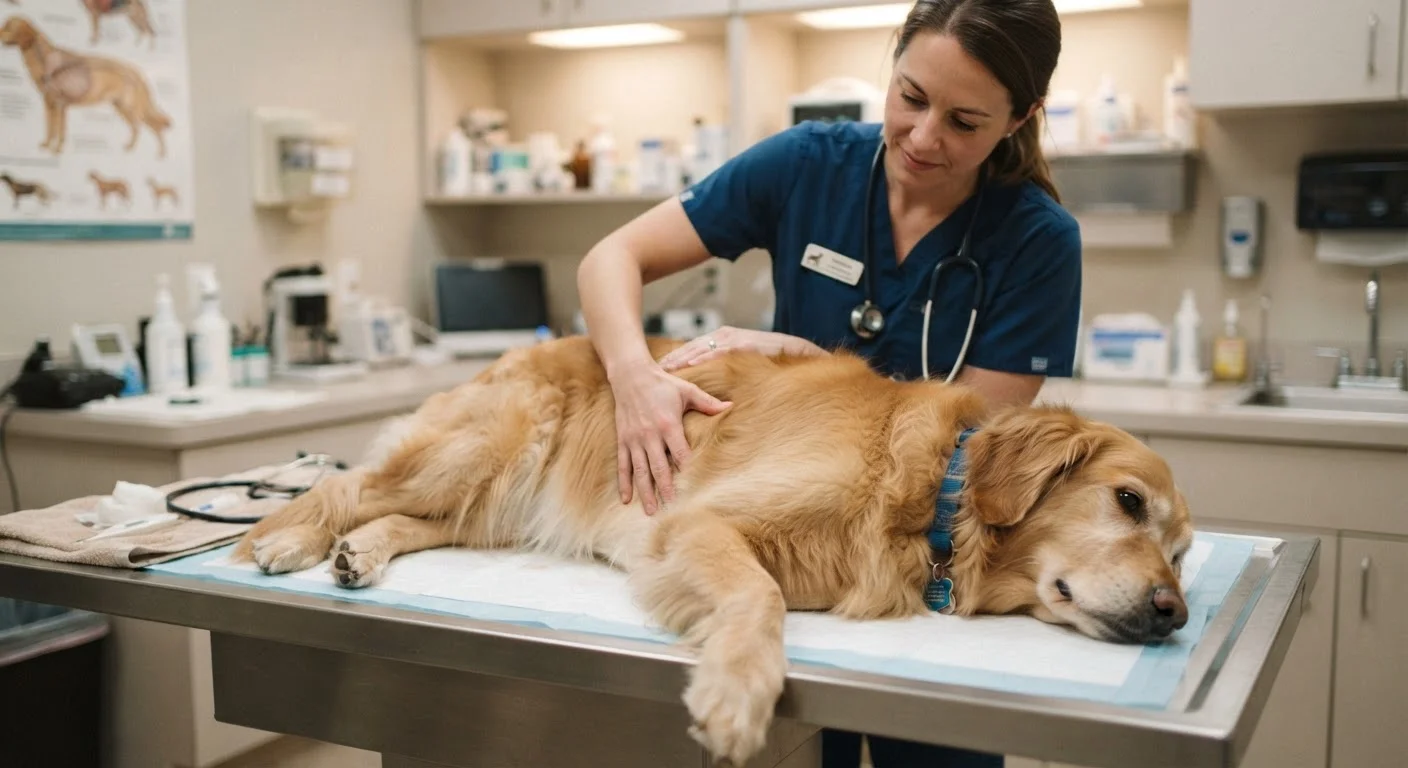
Why Pets Hide Pain
Animals have a strong instinct to mask discomfort. In the wild, showing weakness can attract predators, so both dogs and cats evolved to push through pain without obvious protest. That survival reflex can make it genuinely difficult for even attentive owners to know something is wrong.
What this means practically: by the time a pet shows signs you can clearly see, the discomfort may already be significant. Learning the early, more subtle cues gives you a better chance of catching problems sooner — and getting your pet the help they need before things escalate.
This article is for general educational purposes only and is not a substitute for professional veterinary advice. If you believe your pet is in pain, contact your veterinarian.
| Most common cause of chronic pain in dogs | Osteoarthritis (degenerative joint disease) (American College of Veterinary Surgeons) |
| Estimated dogs affected by arthritis | Approximately 1 in 5 adult dogs (Veterinary consensus estimates) |
| Pain scale tools used in veterinary clinics | Colorado State University Canine/Feline Pain Scale; Feline Grimace Scale (Veterinary educational resources) |
| When to seek emergency care | Collapse, labored breathing, inability to stand, distended abdomen (General veterinary guidance) |
| Species that most hide pain | Cats — instinctive masking behavior is especially pronounced (International Cat Care) |
Behavioral Red Flags Owners Often Miss
Pain in pets rarely announces itself with loud crying. Instead, it tends to show up as changes in behavior or routine. Watch for any of these:
- Reduced activity or play: A dog who used to greet you at the door now stays on the couch, or a cat stops jumping to favorite perches.
- Changes in eating or drinking: Eating less, eating slower, or avoiding hard kibble can signal mouth or body pain.
- Unusual vocalizations: Whimpering, growling when touched, or excessive meowing — especially out of character — warrant attention.
- Withdrawal or clinginess: Some pets become unusually withdrawn; others become uncharacteristically attached. Both can reflect distress.
- Altered grooming: Over-grooming one spot (often a sign of localized pain) or a sudden stop in self-grooming both count.
- Aggression or irritability: A normally gentle pet who snaps when touched in a certain area is communicating discomfort, not bad behavior.
Understanding your pet's body language more broadly can help you catch these shifts earlier.
Palpation
A hands-on examination technique in which a veterinarian applies gentle pressure to different parts of the body to detect tenderness, swelling, or abnormalities. A pet's reaction during palpation helps localize the source of pain.
Feline Grimace Scale
A validated pain assessment tool used by veterinarians to measure discomfort in cats based on facial expressions, including ear position, eye openness, and whisker tension. It provides a more objective way to score pain than behavior alone.
Guarding behavior
When a pet protectively positions its body to prevent contact with a painful area — such as tucking the abdomen, shifting weight off a limb, or moving away when touched in a specific spot.
Acute vs. Chronic Pain
Acute pain comes on suddenly and is typically tied to a specific injury or event. Chronic pain develops gradually over time — often from conditions like arthritis — and may produce subtler, longer-term behavioral changes.
Physical Signs Vets Specifically Assess
When you bring a pet to the clinic, veterinarians run a structured physical examination that looks beyond general behavior. Here's what they're typically evaluating:
~20%
Adult dogs affected by osteoarthritis
Veterinary estimates suggest roughly one in five adult dogs live with some degree of degenerative joint disease, often going undiagnosed for extended periods.
40%+
Cats over age 12 with arthritis signs
Studies published in veterinary literature suggest a significant majority of older cats show radiographic evidence of joint degeneration, despite rarely limping.
- Posture and gait
- Limping, hunching, a tucked abdomen, or reluctance to bear weight on a limb are all observable physical cues vets note immediately.
- Facial expression
- Veterinary pain scales — such as the Feline Grimace Scale — assess eye openness, ear position, and whisker tension to quantify discomfort in cats.
- Response to palpation
- A vet gently presses along the spine, abdomen, and joints. Flinching, muscle tensing, or vocalizing during palpation can pinpoint the source of pain.
- Breathing and heart rate
- Elevated respiratory rate or heart rate at rest — without obvious exertion — can be physiological signs of acute pain.
- Coat and skin condition
- Dull coat, skin that's been chewed or scratched raw, or a hunched posture when grooming may all be noted as secondary indicators.
Pain assessment also connects to broader health picture. For instance, vets often cross-reference body condition and weight, since joint pain is common in overweight pets. Older animals are particularly susceptible — see how health needs shift in senior pets for what to expect as your pet ages.
When to Call the Vet — and What to Tell Them
As a general rule: any sudden, unexplained change in your pet's behavior, mobility, eating, or temperament is worth a call to your veterinarian. You don't need to be certain something is wrong to make that call — describing what you've noticed is exactly the information vets need.
When you call, try to share:
- When you first noticed the change and how quickly it developed
- Which specific behaviors or physical signs you observed
- Whether anything changed recently (new food, new environment, a fall or collision)
- Whether the pet is eating, drinking, and going to the bathroom normally
Some signs — severe lameness, inability to stand, labored breathing, sudden collapse, or a distended abdomen — are emergencies requiring immediate veterinary attention, not a scheduled appointment.
It's also worth knowing that some conditions masquerade as pain. Allergies, for instance, can cause persistent scratching and skin irritation that resembles localized discomfort. Seasonal allergy symptoms in pets have some overlap with pain behavior, which is one reason a vet exam matters rather than guessing at home.
This article provides general health education for pet owners and is not veterinary medical advice. Always consult a licensed veterinarian for concerns about your individual pet's health.
Don't Wait for Obvious Limping
Many pet owners wait to call a vet until pain signs become unmistakable — like a pronounced limp or refusal to eat. But by that point, discomfort has often been building for some time. Subtle behavioral shifts, even if you're unsure what they mean, are a valid reason to check in with your veterinarian. Early evaluation generally leads to better outcomes.