

Pet Care Editorial Team
Staff Writer
Pet Care Editorial Team is the collective byline for our editorial team and contributor network. Articles published under this byline or an editorial pen name are researched, written, and reviewed according to our editorial standards for clarity, consistency, and independence before publication.

Annual Wellness Exams vs. Sick Visits: What Each One Covers
A routine checkup and an illness appointment serve very different purposes. Understand what your vet screens for at each…
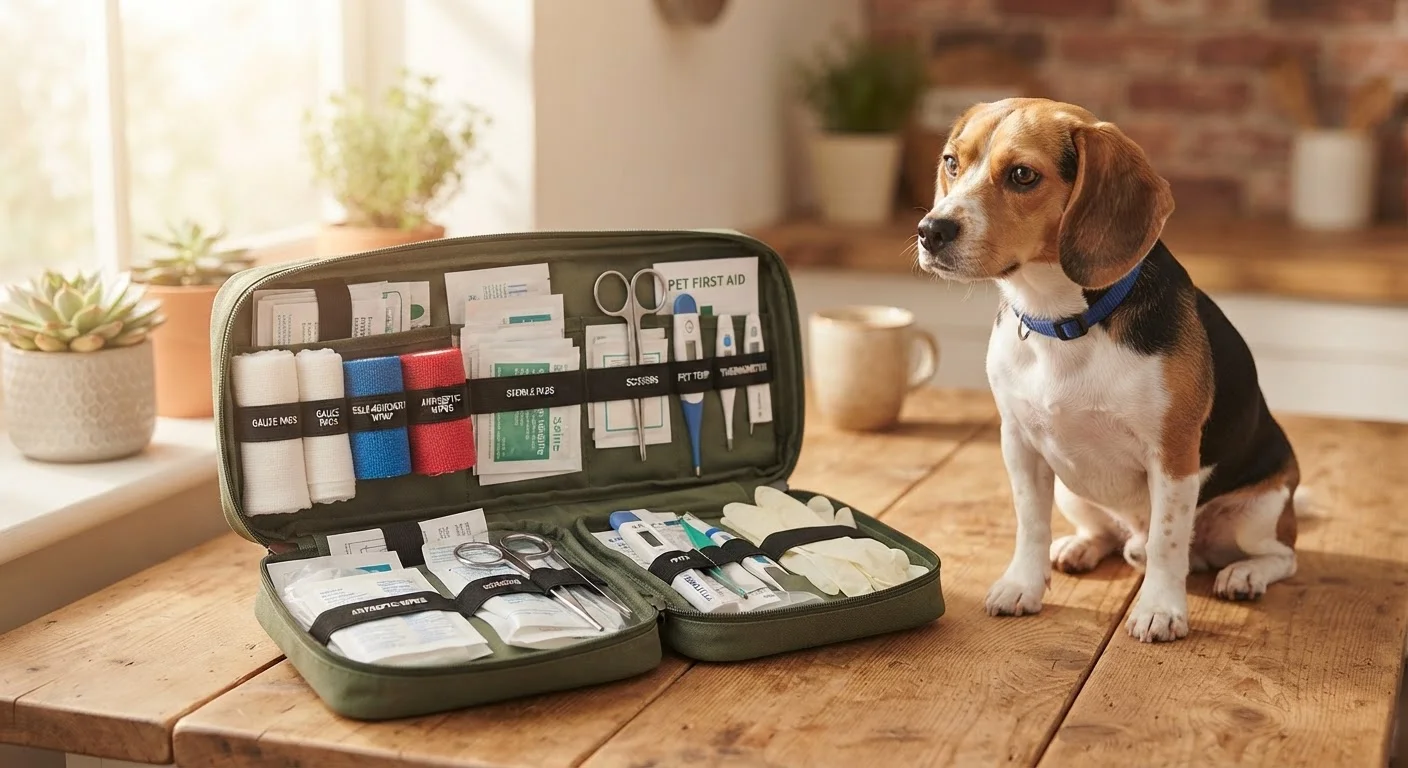
Building a Pet First-Aid Kit at Home
A basic pet first-aid kit can help you respond calmly before reaching a vet. Here's what to include and what each item i…

Common Myths About Cats and Dogs That Vets Wish You Knew
From "dogs heal wounds by licking" to "cats always land safely" — some widely held beliefs about pets are flat-out wrong…

Core vs. Non-Core Vaccines: Understanding Your Pet's Immunization Schedule
Not all pet vaccines are required for every animal. Learn the difference between core and non-core vaccines and why your…
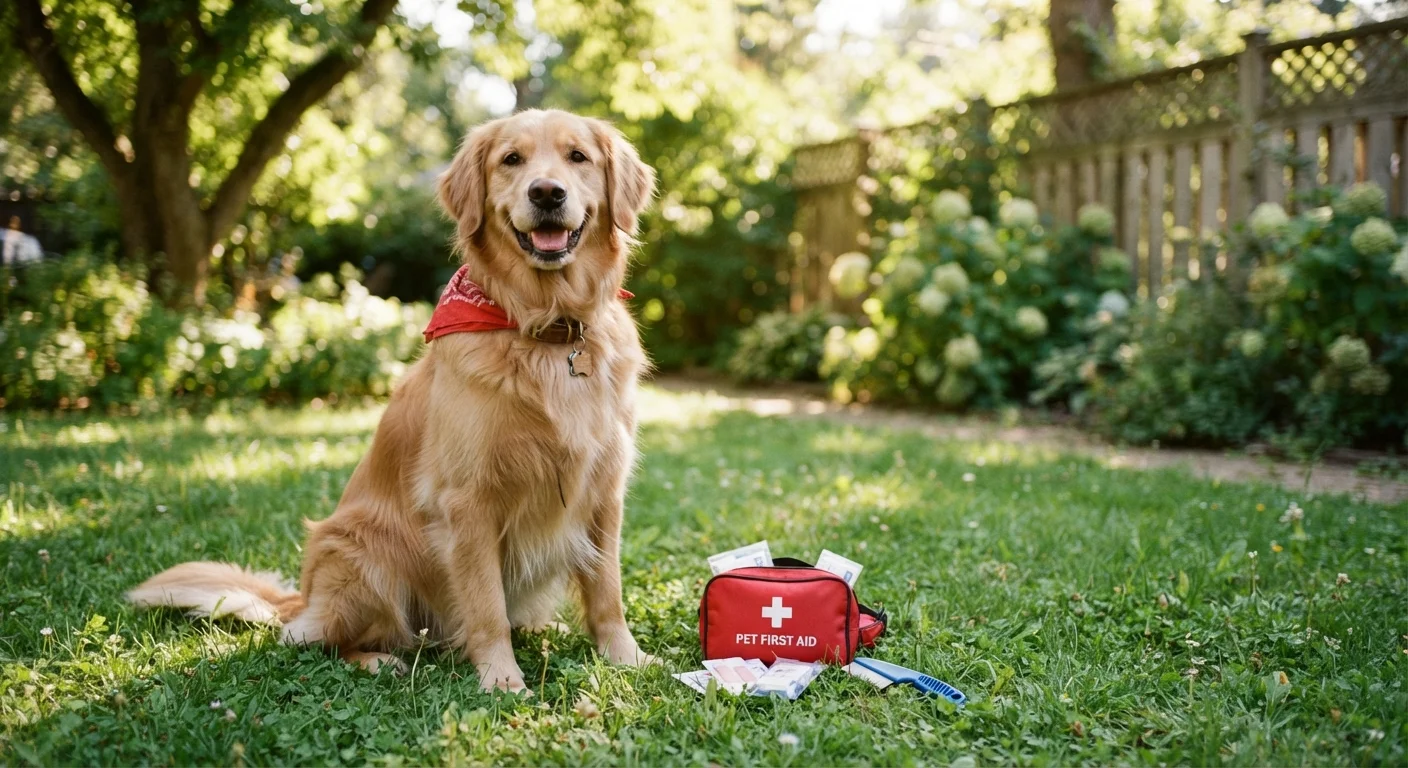
Fleas, Ticks, and Heartworm: A Plain-Language Prevention Primer
Parasite prevention can feel overwhelming. This guide breaks down how fleas, ticks, and heartworm work — and why prevent…

Pet Weight and Health: What the Numbers on the Scale Actually Mean
Healthy weight in pets isn't just about how much they eat. Learn how vets assess body condition and why weight managemen…

Preparing Your Pet for Seasonal Allergy Season
Pets can suffer from environmental allergies just like people. Learn what symptoms look like, how vets typically diagnos…
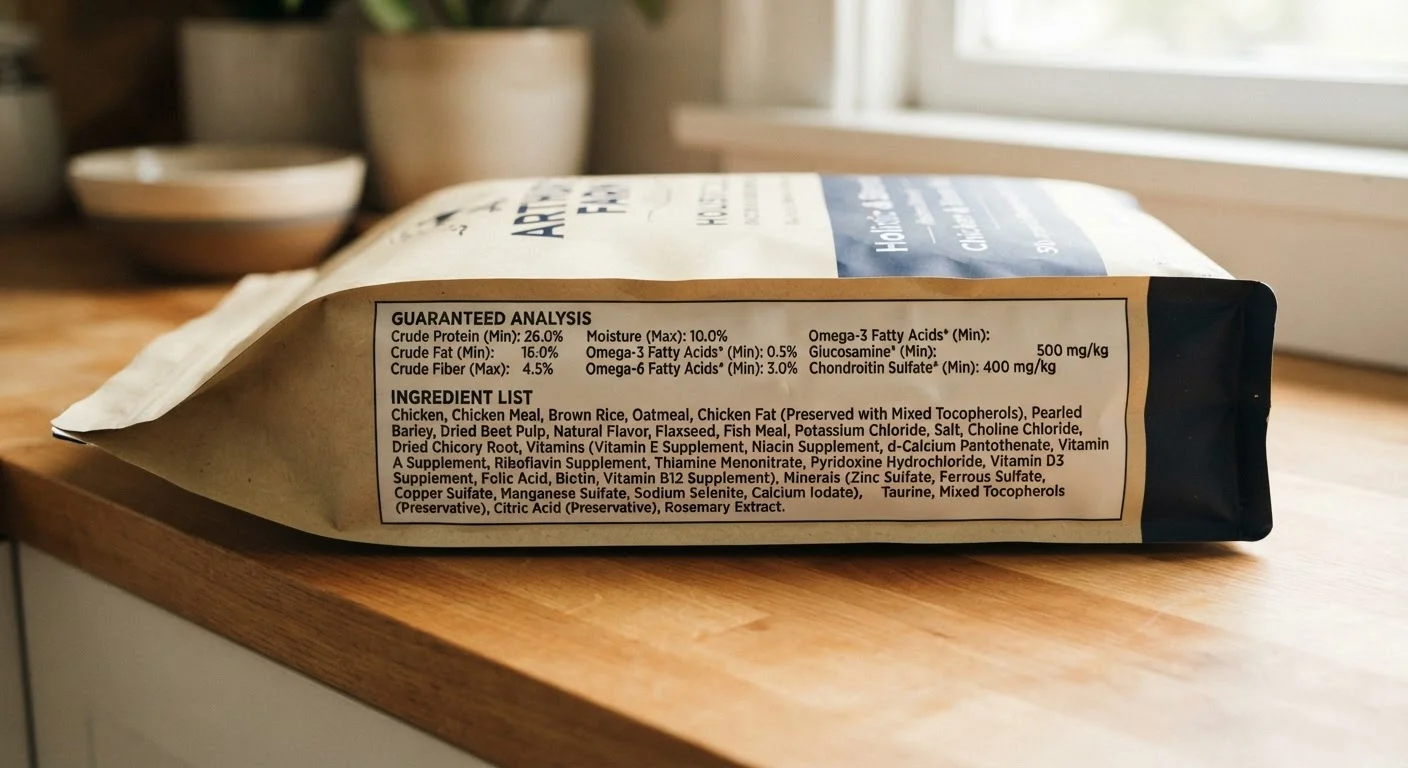
Reading a Pet Food Label Without Getting Lost
Ingredient lists, guaranteed analysis, life-stage claims — pet food labels are packed with jargon. Here's what each sect…

Senior Pet Care: How Health Needs Shift as Animals Age
Older pets have different nutritional, mobility, and screening needs than younger ones. Learn what changes to expect and…
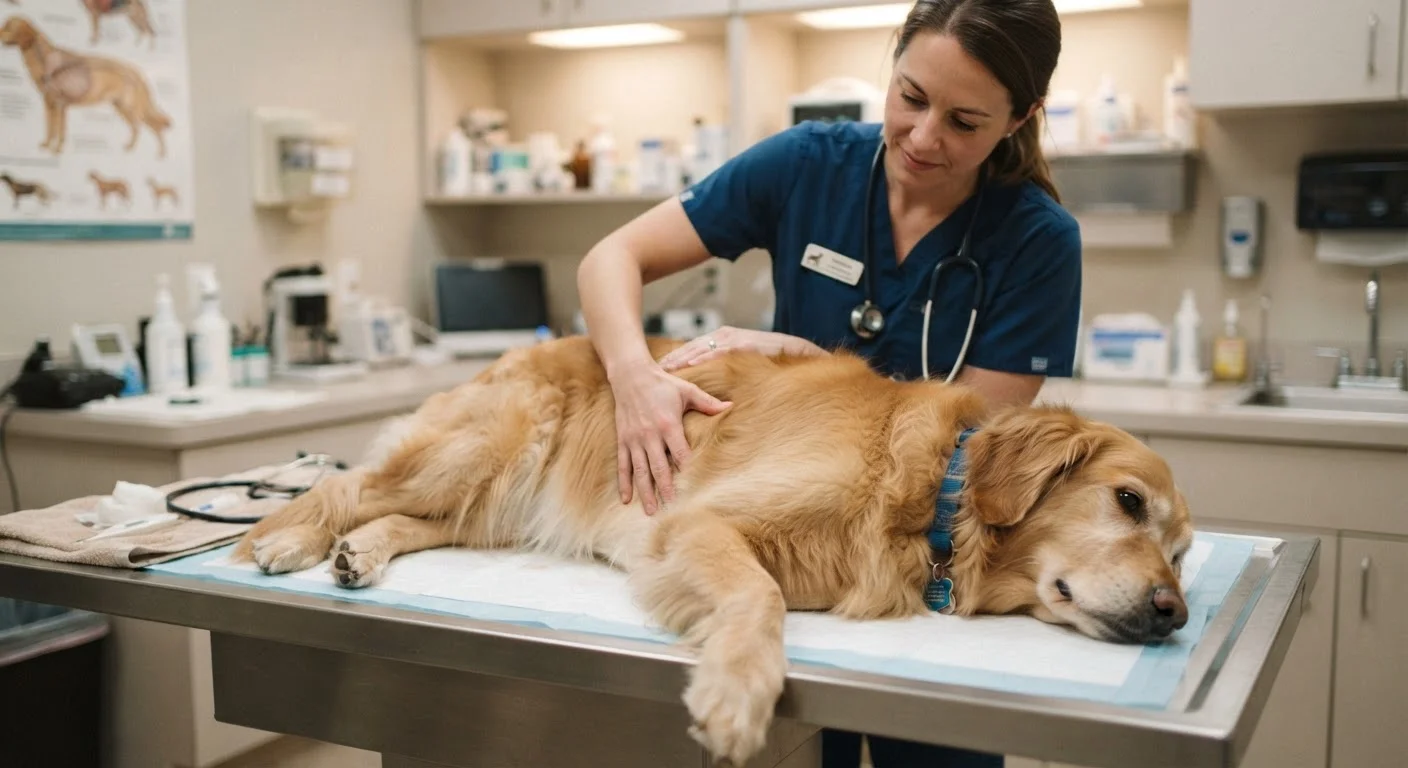
Signs Your Pet Is in Pain - and What Vets Look For
Pets hide discomfort in subtle ways. Learn the behavioral and physical cues that may signal pain, and when they warrant …

Spaying vs. Neutering: What's the Difference and Why It Matters
Confused about spaying and neutering? This plain-language breakdown explains what each procedure involves and the health…

The Habits That Make the Biggest Difference in a Pet's Long-Term Health
Good pet health isn't built on single decisions — it's built on daily routines. Here are the consistent habits vets most…

What Goes Into a Vet Bill - and Why Costs Vary So Much
Vet invoices can feel opaque. This breakdown explains what common line items cover, why prices differ by region and prac…

Why Dental Health Is One of the Most Overlooked Parts of Pet Care
Skipping your pet's dental care can lead to serious health issues beyond bad breath. Here's what pet dental disease look…
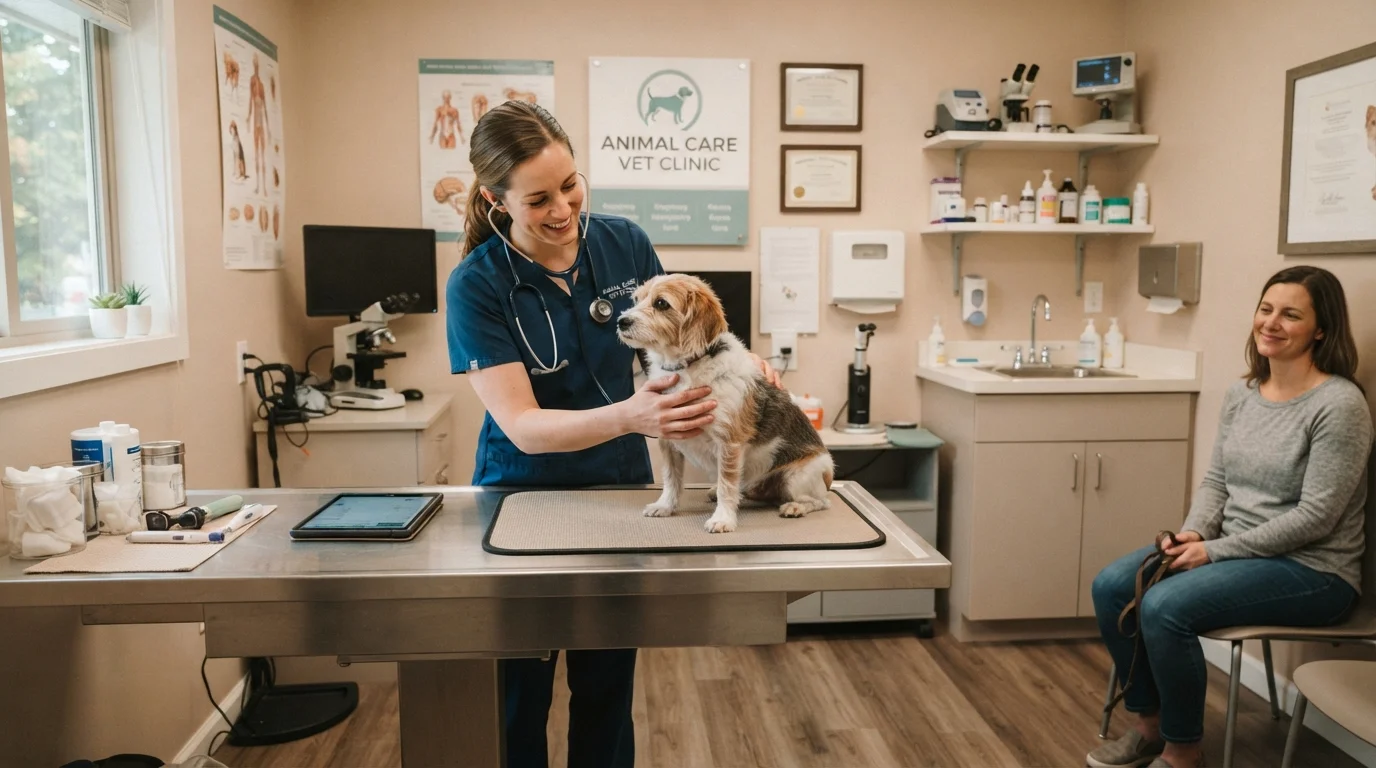
Your New Pet's First Vet Visit: What to Expect
First vet appointment coming up? Here's what typically happens, what to bring, and how to prepare your pet for a calm, p…

Building a Consistent Feeding Routine for Your Pet
Meal timing, portion control, and reducing table scraps form the foundation of good pet nutrition. This checklist helps …
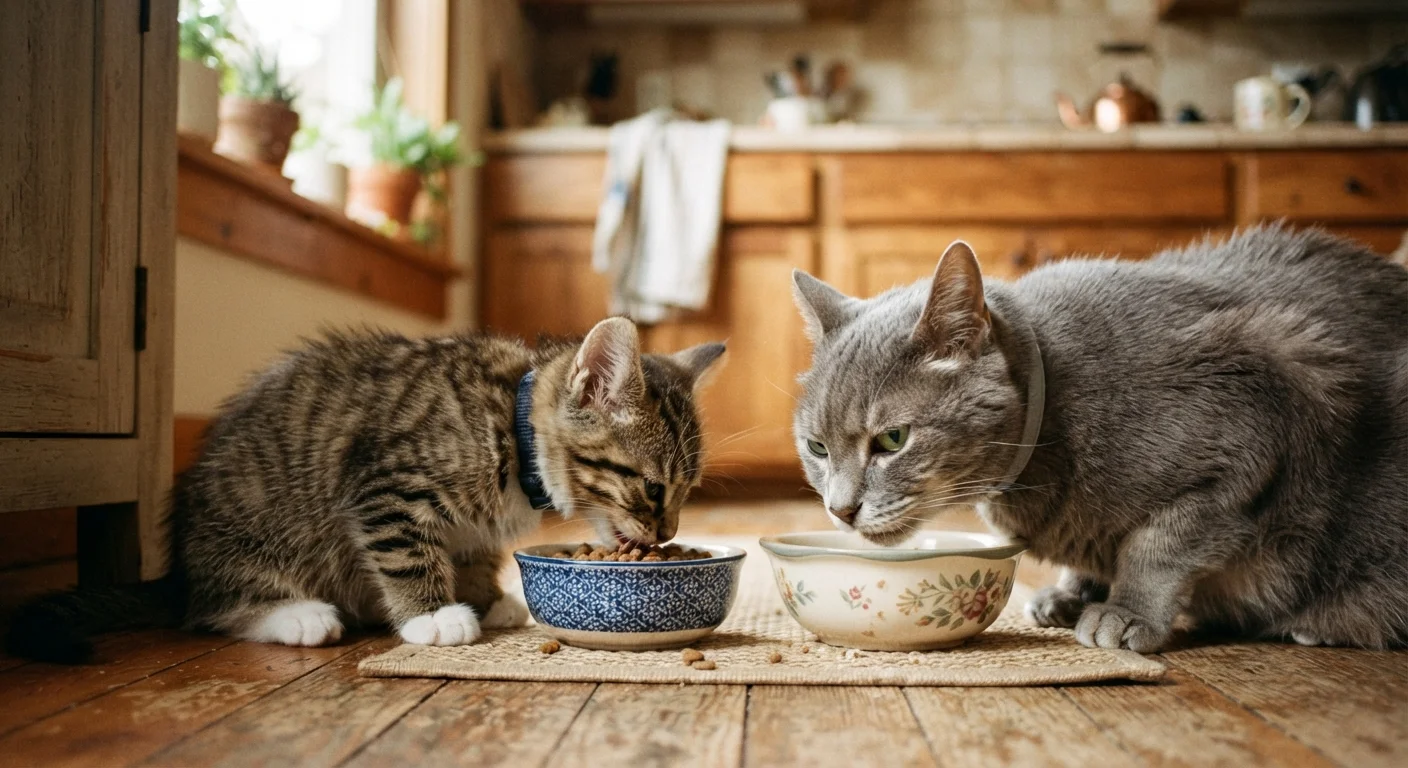
Cat Nutrition From Kittenhood to Senior Years
Cats' dietary needs shift significantly as they age. This guide covers protein requirements, hydration, and feeding freq…

Dry Kibble vs. Wet Food: Weighing the Real Trade-Offs
Kibble and wet food each have genuine strengths and drawbacks. Here's what to consider based on your pet's health, habit…

Feeding Small Dogs vs. Large Breeds: Key Nutritional Differences
Size affects more than portion amount — caloric density, kibble size, and nutrient ratios all differ between small and l…

Feeding Your Dog Through Every Life Stage
Puppy, adult, and senior dogs have very different nutritional needs. Learn what changes at each stage and why it matters…
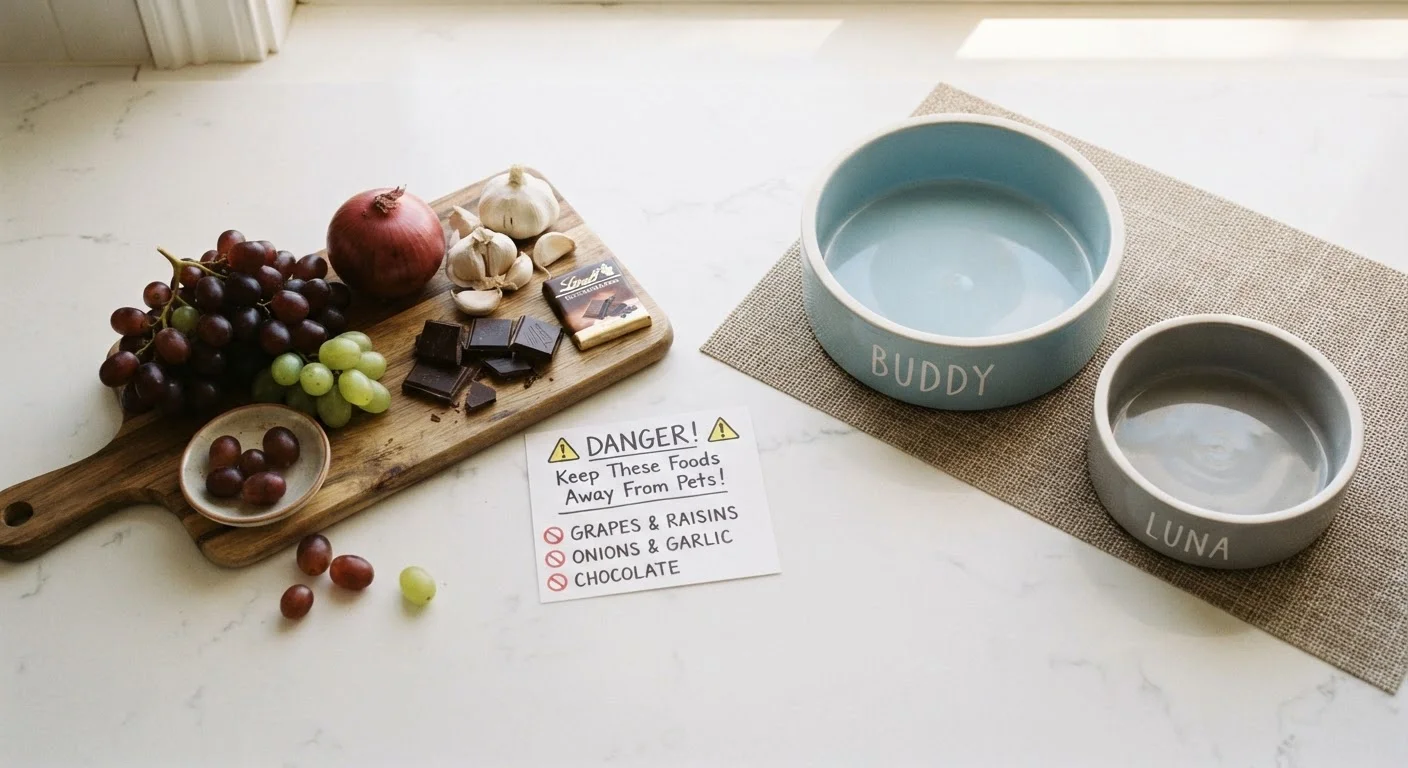
Foods That Are Genuinely Harmful to Dogs and Cats
Grapes, xylitol, onions, and more pose real dangers to pets. This reference covers which common household foods to keep …
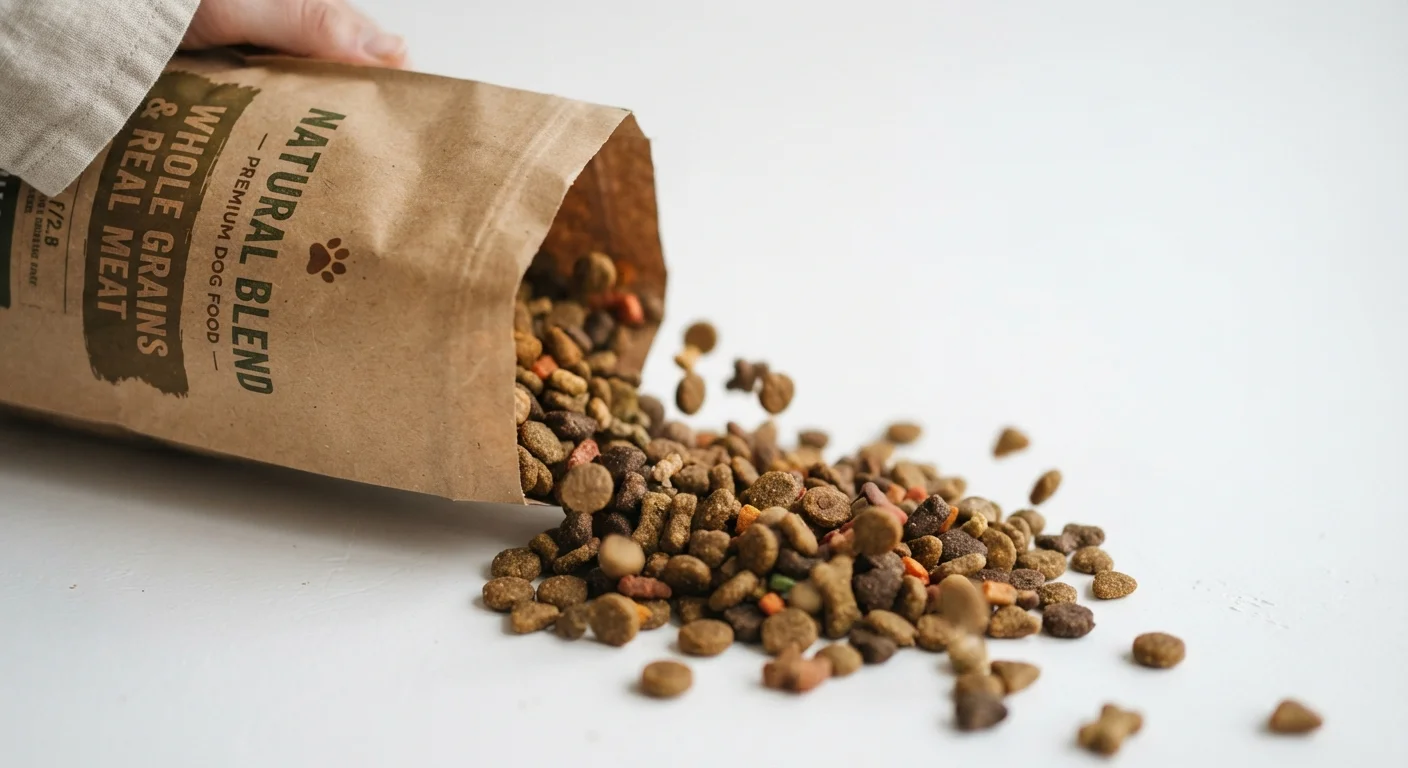
Grain-Free Pet Food: Separating the Science from the Marketing
Grain-free diets are widely marketed but widely misunderstood. Here's what current research actually says about grains a…

Home-Cooked Pet Meals: What Families Should Understand Before Trying Them
Cooking for your pet sounds straightforward, but nutritional gaps are a real risk. Here's an honest look at the benefits…

Pet Supplement Claims That Deserve Skepticism
Joint support, coat shine, calming chews — pet supplements are big business. Here's how to evaluate whether a supplement…
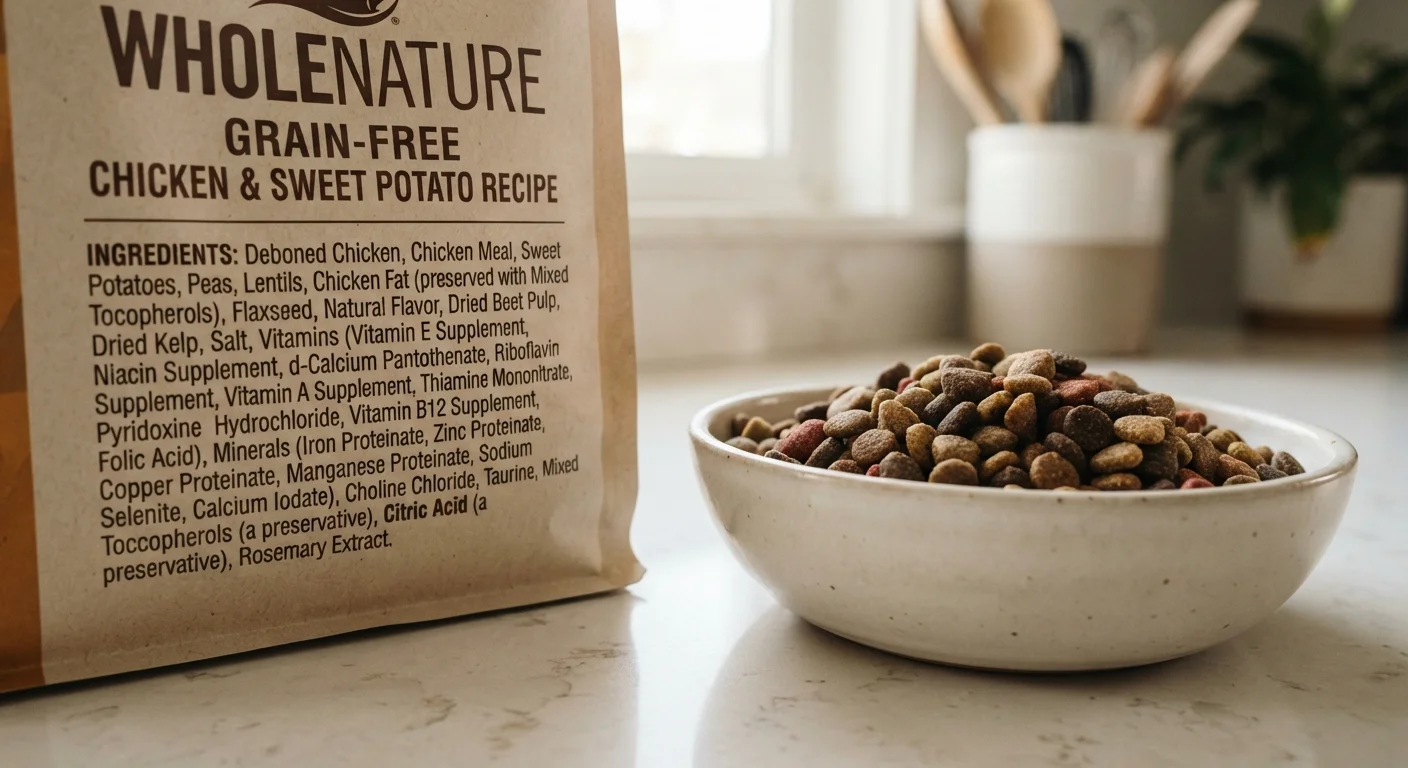
Protein Sources in Pet Food: What the Ingredient List Is Really Telling You
"Chicken meal" vs. "chicken by-product" vs. plain "chicken" — these terms mean different things. Here's a plain-language…
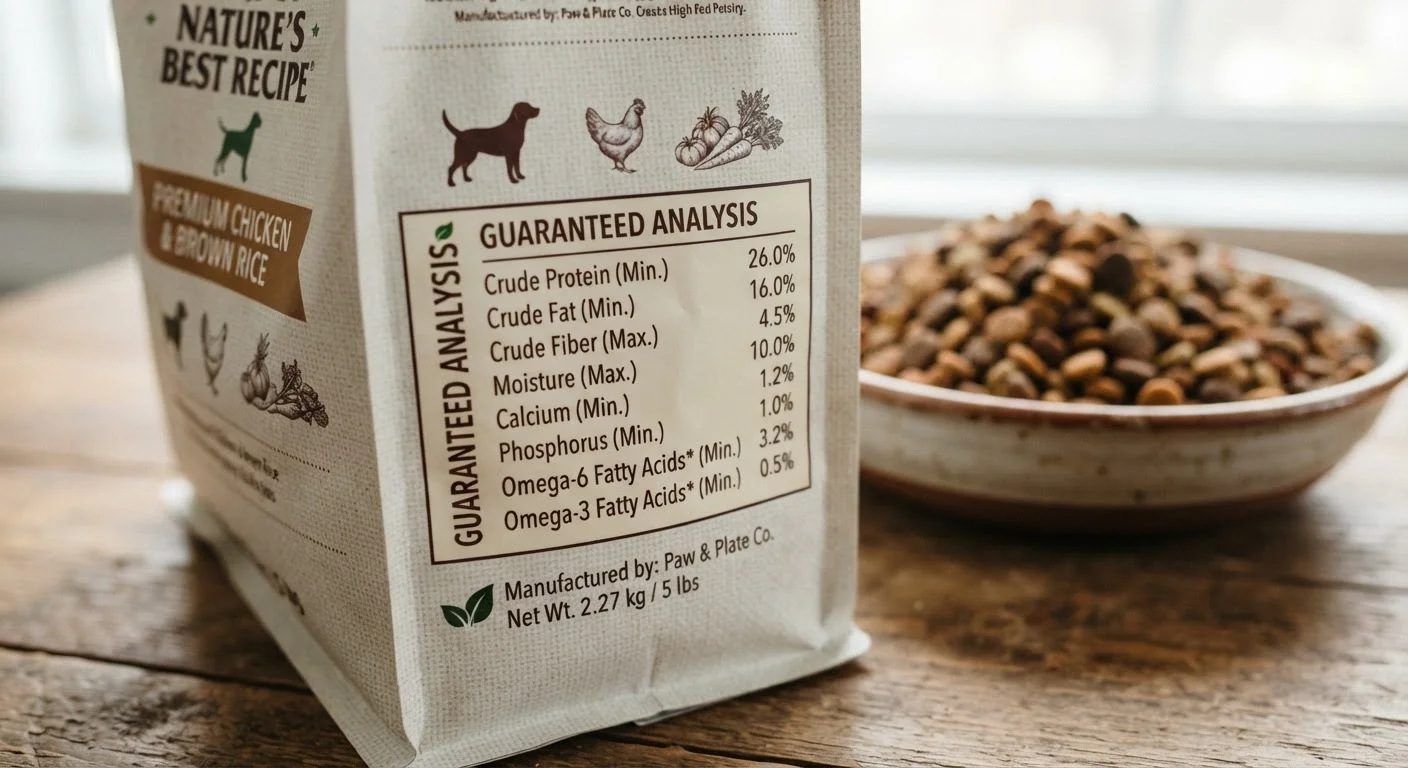
Reading a Guaranteed Analysis Panel Without Getting Lost
The guaranteed analysis on every pet food bag lists crude protein, fat, and more — but the numbers can mislead. Learn ho…

Switching Your Pet's Food Without Upsetting Their Stomach
An abrupt diet change can cause digestive problems in pets. Follow this gradual transition approach to make food switche…

What "Natural," "Organic," and "Human-Grade" Actually Mean on Pet Food Packaging
These popular label terms have specific regulatory meanings — and some have almost none at all. Learn which claims carry…

What Pet Food Labels Actually Mean
Decode the fine print on pet food packaging — from "complete and balanced" to ingredient order — so you can shop with co…
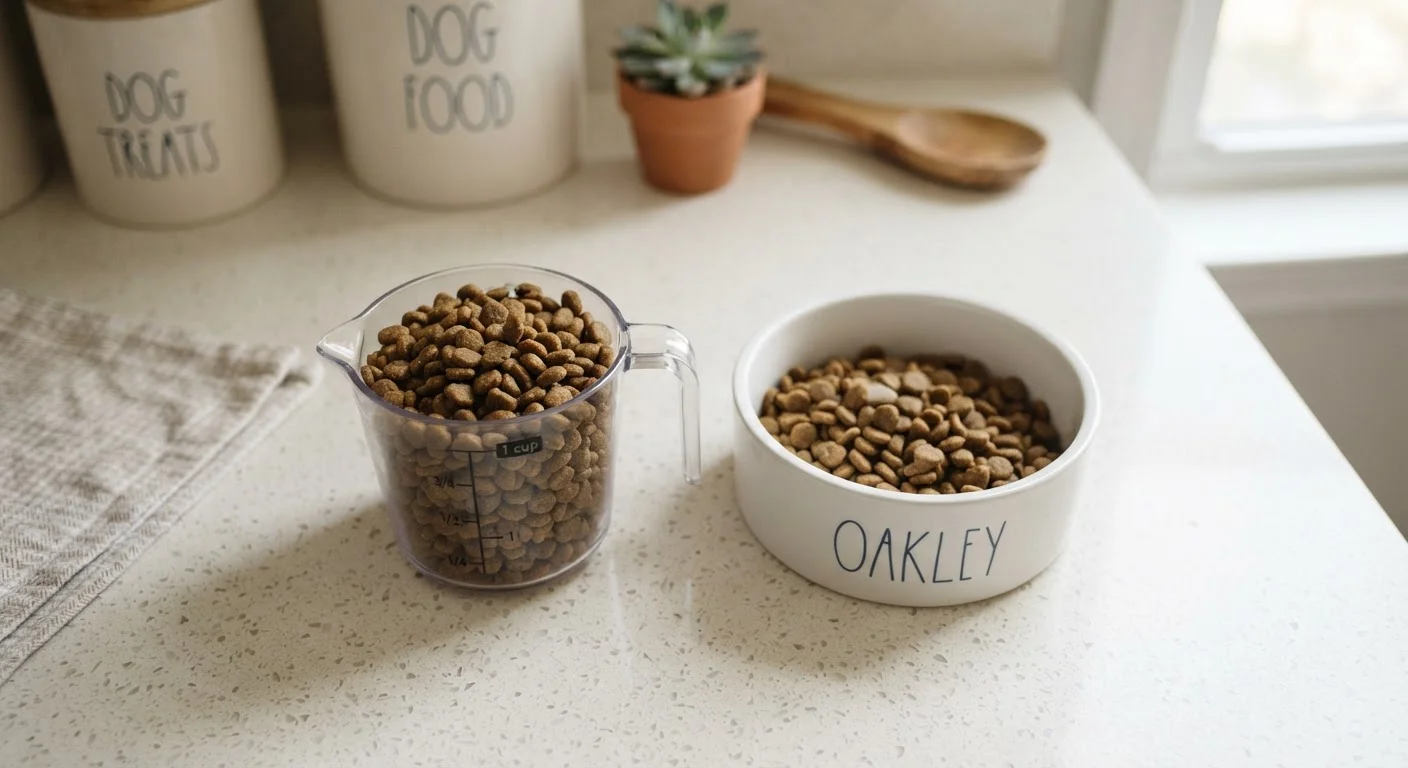
Why Portion Sizes Matter More Than the Food Itself
Overfeeding is one of the most common pet health issues in American households. Understand how to calculate appropriate …

Before You Start Training Your Pet: A Readiness Checklist
Have the right environment, tools, and mindset before your first session. Use this checklist to make sure you and your p…

Clicker Training vs. Verbal Cues: Which Works Better for Home Training?
Clickers and verbal cues are both popular training tools—but they work differently. Here's how each method compares so y…

Crate Training Pros and Cons Every Pet Owner Should Weigh
Crate training divides opinion among pet owners. Here's an honest look at its real benefits, genuine drawbacks, and when…
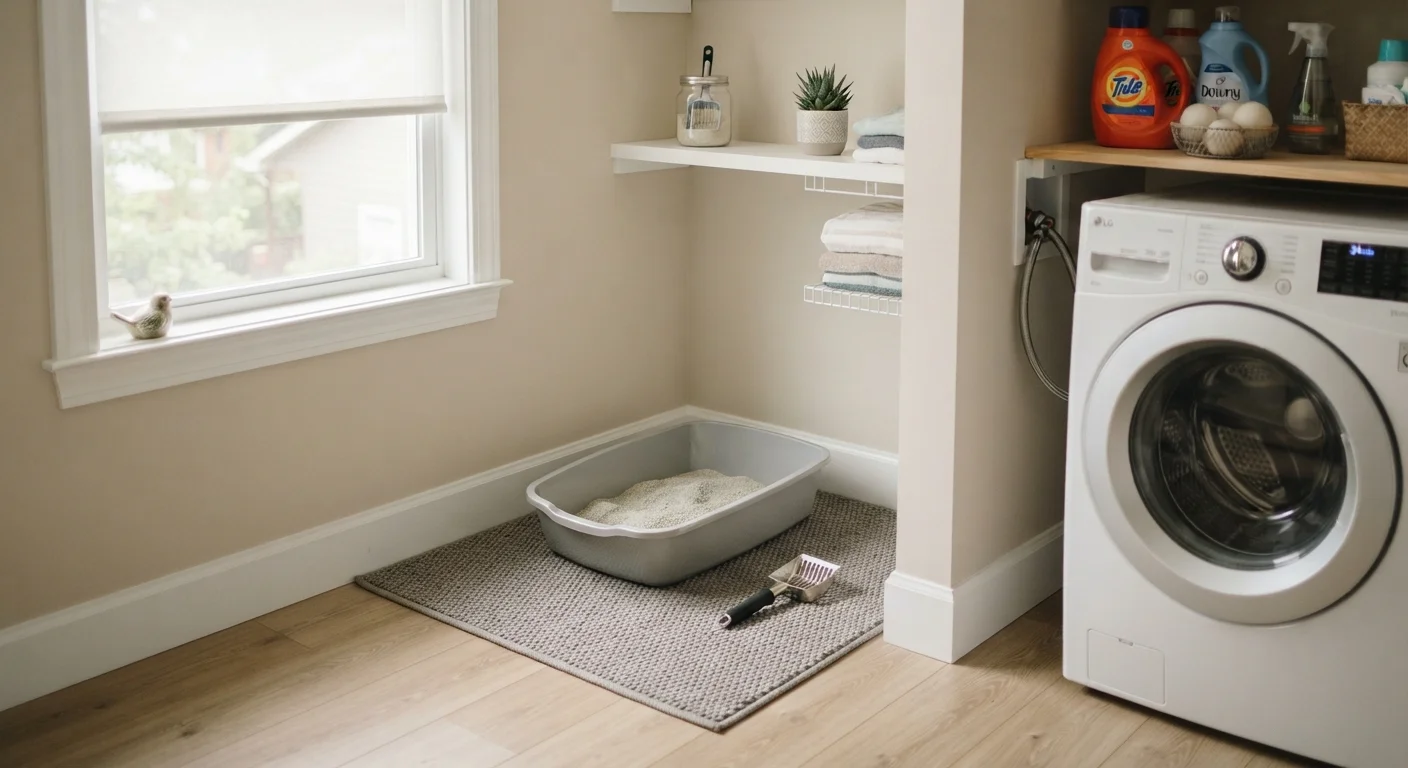
Litter Box Training for Cats: Setting Up for Success From the Start
Litter box problems are rarely about a stubborn cat. Learn how location, box type, litter choice, and cleaning habits sh…

Pet Training From Puppyhood to Adulthood: How Goals and Methods Shift Over Time
What works for an 8-week-old puppy looks very different from training an adolescent or adult dog. Here's how to adapt yo…

Pet Training Myths That Could Be Slowing Your Progress
From dominance theory to the idea that older dogs can't learn, many popular training beliefs are outdated or flat-out wr…

Positive Reinforcement in Pet Training: What It Actually Means
Positive reinforcement is more than treats and praise. Learn the science behind it and why it's the foundation of stress…

Reward-Based vs. Correction-Based Training: Understanding the Core Difference
Two broad philosophies shape most pet training approaches. This side-by-side breakdown explains how they differ, what re…

Teaching Children to Participate in Pet Training Safely
Involving kids in pet training builds responsibility and strengthens the family-pet bond. Learn age-appropriate roles an…

Teaching a Dog to Stay: The Three Pillars of a Solid Command
Duration, distance, and distraction—learn how these three elements build a reliable "stay" command and why rushing any o…

Training Sessions That Actually Stick: Timing, Length, and Frequency
Short, well-timed training sessions outperform long, irregular ones. Learn the principles behind effective practice sche…

Training a Cat at Home: What's Actually Possible-and What Isn't
Cats can learn more than most people expect—but they learn differently than dogs. This guide covers realistic goals, eff…

Understanding Pet Body Language During Training
Your pet communicates stress, confusion, and readiness through body language. Learn to read common signals so training s…

Why Your Dog Keeps Ignoring the "Come" Command
Recall failures are one of the most frustrating training problems. Discover the common reasons "come" breaks down and ho…

Your First Month Training a New Dog: A Week-by-Week Roadmap
Not sure where to start with a new dog? This beginner's roadmap breaks down what to teach, when to teach it, and how to …