
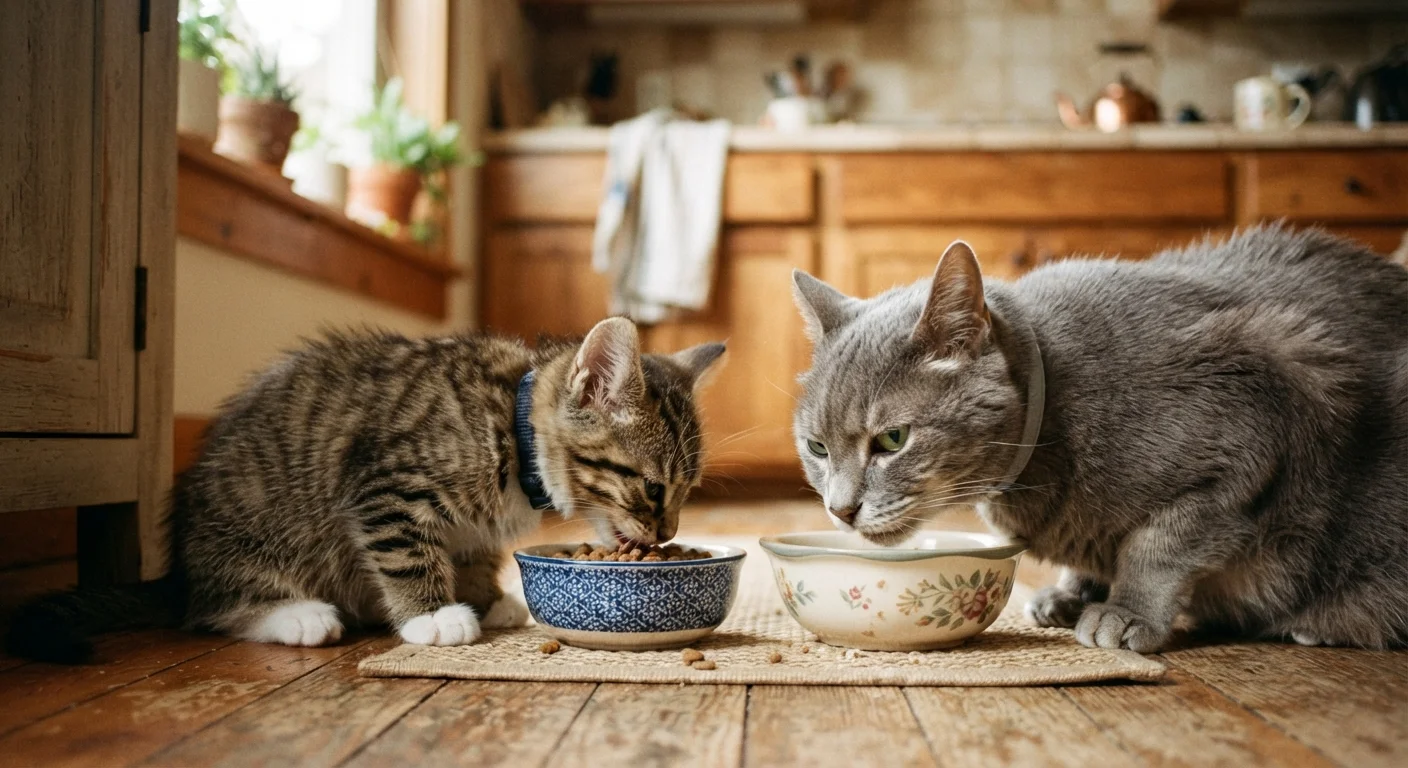
Why Cat Nutrition Is Not One-Size-Fits-All
Cats are obligate carnivores — meaning they cannot thrive on plant-based diets the way omnivores can. Their bodies are built to extract nutrients from animal tissue, and unlike dogs or humans, they have specific requirements for nutrients like taurine and arachidonic acid that must come from animal sources. This biological reality holds true across every life stage, even as the specifics of what they need shift considerably over time.
Just as nutritional needs shift for every member of your household, your cat's dietary requirements change significantly from kittenhood through old age. Understanding these shifts helps you make confident, informed choices at the pet food aisle — and helps you have more productive conversations with your veterinarian.
Obligate carnivore
An animal that must eat meat to survive and cannot meet all its nutritional needs from plant-based foods alone. Cats fall into this category.
Taurine
An amino acid found only in animal tissue that cats cannot produce in sufficient quantities on their own. Deficiency can cause serious heart and eye problems.
AAFCO
The Association of American Feed Control Officials — the organization that sets nutritional standards for pet food in the US. Look for their adequacy statement on food packaging.
Life stage feeding
The practice of choosing pet food formulated for your animal's specific age group — kitten, adult, or senior — since nutritional needs differ significantly at each stage.
DHA
Docosahexaenoic acid, an omega-3 fatty acid important for brain and eye development in kittens. Often added to kitten formulas.
Dry matter basis
A way of comparing pet food nutrients after removing moisture content, allowing fair comparisons between wet and dry foods.
Feeding Kittens: The First Year
Kittens grow at a remarkable rate in their first twelve months, and their diet needs to keep pace. Compared to adults, kittens require significantly more calories per pound of body weight, higher levels of protein and fat, and certain nutrients — like DHA for brain development — in greater amounts.
Look for food labeled for kittens or for all life stages, and always check that it carries an AAFCO nutritional adequacy statement. Feed kittens three to four small meals per day through about six months, then gradually reduce to two or three meals as they approach one year.
Introduce New Foods Gradually
When transitioning between life-stage foods or trying a new formula, mix the new food with the old over 7–10 days. Start with about 25% new food and increase slowly. Abrupt switches can cause digestive upset, especially in younger or sensitive cats.
Wet food is especially valuable during kittenhood because it supports hydration and is easy to chew for younger cats still developing their teeth. It can be offered alone or mixed with a small amount of dry food.
Adult Cat Nutrition: Maintaining Balance
Once your cat reaches about one year of age, their rapid growth phase is over and the goal shifts to maintaining a healthy weight while sustaining muscle mass and organ function. Adult cats generally do well on two measured meals per day — a practice that makes it easier to monitor how much they're eating compared to leaving food out continuously.
Protein should still dominate the ingredient list, ideally from a named animal source (such as chicken, turkey, or salmon) as the first ingredient. Moderate fat levels and controlled carbohydrates help prevent the obesity that affects a significant portion of pet cats in the US. Hydration remains important; incorporating wet food or a pet water fountain can encourage adequate intake.
Building a consistent feeding routine around regular mealtimes also supports digestive health and makes it easier to notice when your cat's appetite changes — an early signal that something may be off.
Senior Cat Feeding: Ages 11 and Beyond
Cats are generally considered senior around age 11, though individual health status matters more than a specific birthday. Senior cats face a different set of nutritional challenges: some lose weight and muscle mass as their ability to digest and absorb protein becomes less efficient, while others continue to gain weight due to reduced activity.
Higher-moisture diets (wet food or foods with added water) become particularly valuable in senior cats because they support kidney function, which commonly declines with age. Look for foods with highly digestible protein sources and, if your veterinarian recommends it, formulations with omega-3 fatty acids to support joint comfort and coat health.
For a broader look at how veterinary care and daily management shift as cats age, see Senior Pet Care: How Health Needs Shift as Animals Age. Regular vet check-ups become especially important at this stage, as underlying conditions like hyperthyroidism or kidney disease often require dietary adjustments beyond general senior formulas.
Sudden Weight Loss Warrants a Vet Visit
Senior cats that lose weight rapidly — even if they appear to be eating normally — should be seen by a veterinarian promptly. Unintended weight loss in older cats is often linked to conditions like hyperthyroidism, kidney disease, or diabetes, all of which require professional diagnosis and management rather than dietary changes alone.
Reading Labels and Choosing the Right Food
Pet food labels can feel overwhelming, but a few key checkpoints cut through most of the noise:
- AAFCO statement: Confirms the food meets established nutritional standards for a specific life stage. This is the most meaningful quality signal on the label.
- Ingredient order: Ingredients are listed by weight. A named animal protein (e.g., "chicken" or "turkey") should appear first or near the top.
- Life stage labeling: Choose food appropriate for your cat's current stage — kitten, adult, or senior/mature adult.
- Marketing claims: Terms like "grain-free," "natural," or "holistic" are not regulated quality certifications. Don't let them substitute for checking the AAFCO statement.
The habits that make the biggest difference in a pet's long-term health extend well beyond what's in the bowl — but a nutritionally complete, life-stage-appropriate diet is the foundation everything else builds on. When in doubt, your veterinarian or a board-certified veterinary nutritionist is the right resource for personalized guidance.
This article is for general informational purposes only and is not a substitute for professional veterinary advice. Always consult your veterinarian before making significant changes to your cat's diet, especially if your cat has an existing health condition.