
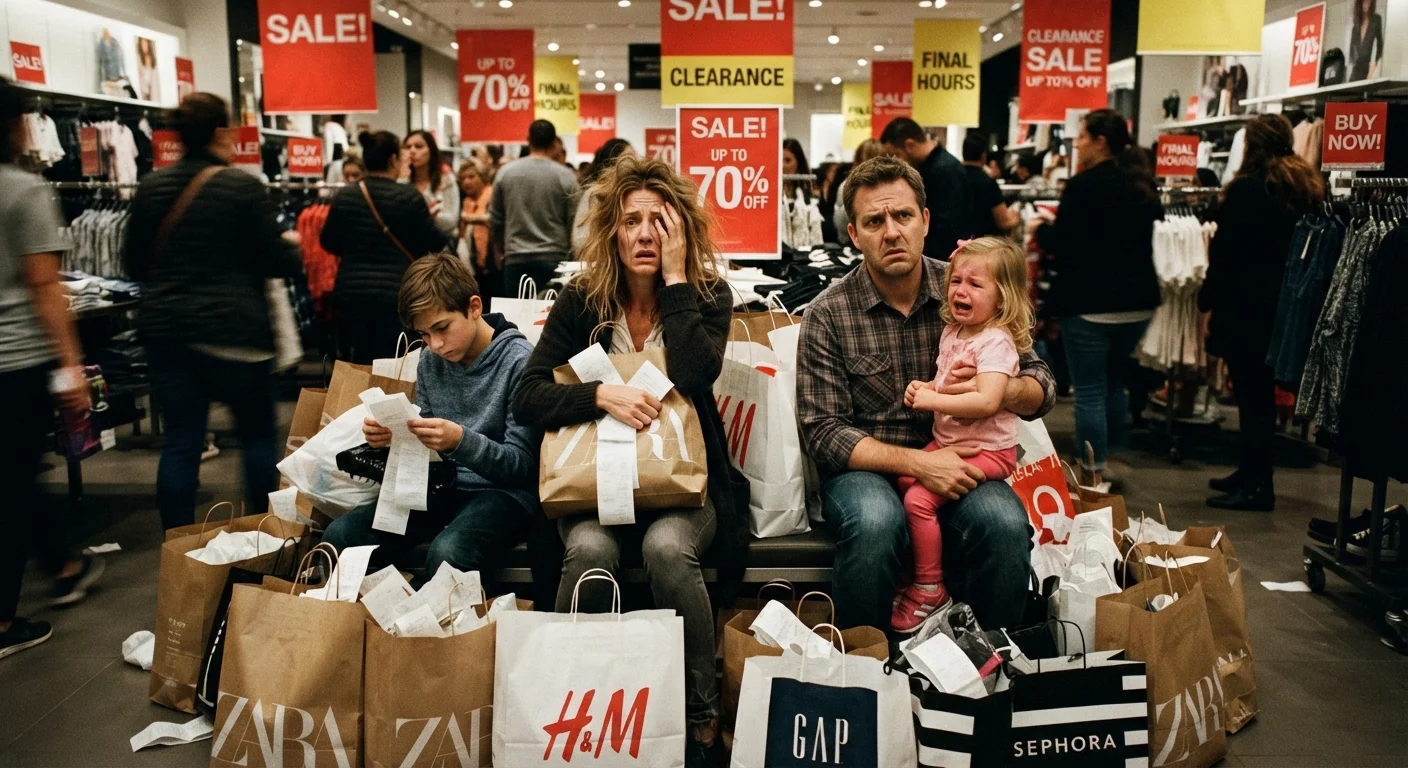
Why Seasonal Sales Go Wrong for Families
Seasonal sales events — back-to-school, end-of-summer clearance, holiday promotions — are genuinely useful for families trying to stretch a budget. But the same retail mechanics that create real savings also create conditions for overspending, poor choices, and buyer's remorse. Understanding what goes wrong is the first step toward fixing it.
If you're new to planning around retail cycles, this introduction to seasonal shopping covers the core habits and vocabulary worth knowing before diving in. The mistakes below are the ones families run into most often — and almost all of them are avoidable with a bit of preparation.
Shopping without a list or spending cap.
Why it happens: Sale urgency — real or manufactured — makes families feel they need to act fast, so they grab items without checking whether they were ever on the shopping plan.
Assuming the advertised discount is a genuine price reduction.
Why it happens: Shoppers often take a sale tag at face value, not realizing that the 'original' price shown may have been temporarily inflated before the event.
Buying the wrong size, quantity, or version during a sale to avoid missing out.
Why it happens: Fear of losing a deal pushes families to grab whatever is available rather than confirming they have the right fit, spec, or count for their needs.
Ignoring hidden costs that erode the actual savings.
Why it happens: Families focus on the sticker discount and overlook fees — shipping, handling, restocking charges — that quietly shrink or eliminate the savings.
Shopping at the wrong point in the sale window.
Why it happens: Most families either jump in on the first advertised day or wait too long, missing the window where selection and discount depth are both strong.
Overstocking on items that won't be used before they expire or become irrelevant.
Why it happens: Bulk discounts feel rational in the moment, but families overestimate consumption rates or forget that kids' clothing sizes change quickly.
The Bigger Picture: Patterns That Quietly Cost More
Individual purchase mistakes add up, but the deeper problem for most families is a pattern of reactive shopping — responding to sales rather than planning for them. That pattern tends to generate impulse buys, missed windows, and purchases that don't reflect what the household actually needs.
Advertised Prices Are Not Always What They Seem
Retailers sometimes raise prices in the weeks before a major sale event, then mark them back down to make the discount look larger than it is. Before assuming a sale price is a genuine deal, check what the item cost 30 to 60 days prior using a price-tracking tool or browser extension. This one habit alone can prevent a family from overpaying while believing they saved.
Pricing transparency is genuinely limited during major sale events. For a closer look at how retail pricing works around these moments, this breakdown of sale-day pricing myths is worth reading before the next big event. Similarly, the hidden costs that can swallow a good deal — shipping fees, restocking charges, subscription traps — deserve attention before you finalize any cart.
Return Policies Tighten During Sale Periods
Many retailers shorten return windows or mark sale items as final sale during major shopping events. If you buy the wrong size or change your mind, you may have no recourse. Always read the return policy before completing a purchase, especially on higher-ticket items bought during clearance or holiday sales.
Consistent habits make the biggest difference year over year. Families who track prices in advance, maintain a running wish list, and set category budgets tend to come out ahead regardless of which sale events they participate in. These routines for seasonal savings are practical and don't require a lot of time to maintain. For a comprehensive view of how to plan purchases around predictable retail cycles all year, the year-round savings playbook for families lays out a clear framework from January through December.
~$1,800
Average US household annual impulse spending
Research from multiple consumer finance surveys consistently places unplanned household spending in the range of $1,500–$2,000 per year, much of it triggered by sales events.
30–60 days
Recommended price-history lookback window
Consumer advocates generally suggest checking a product's price history over the prior 30 to 60 days to verify whether a sale price represents a genuine discount.