
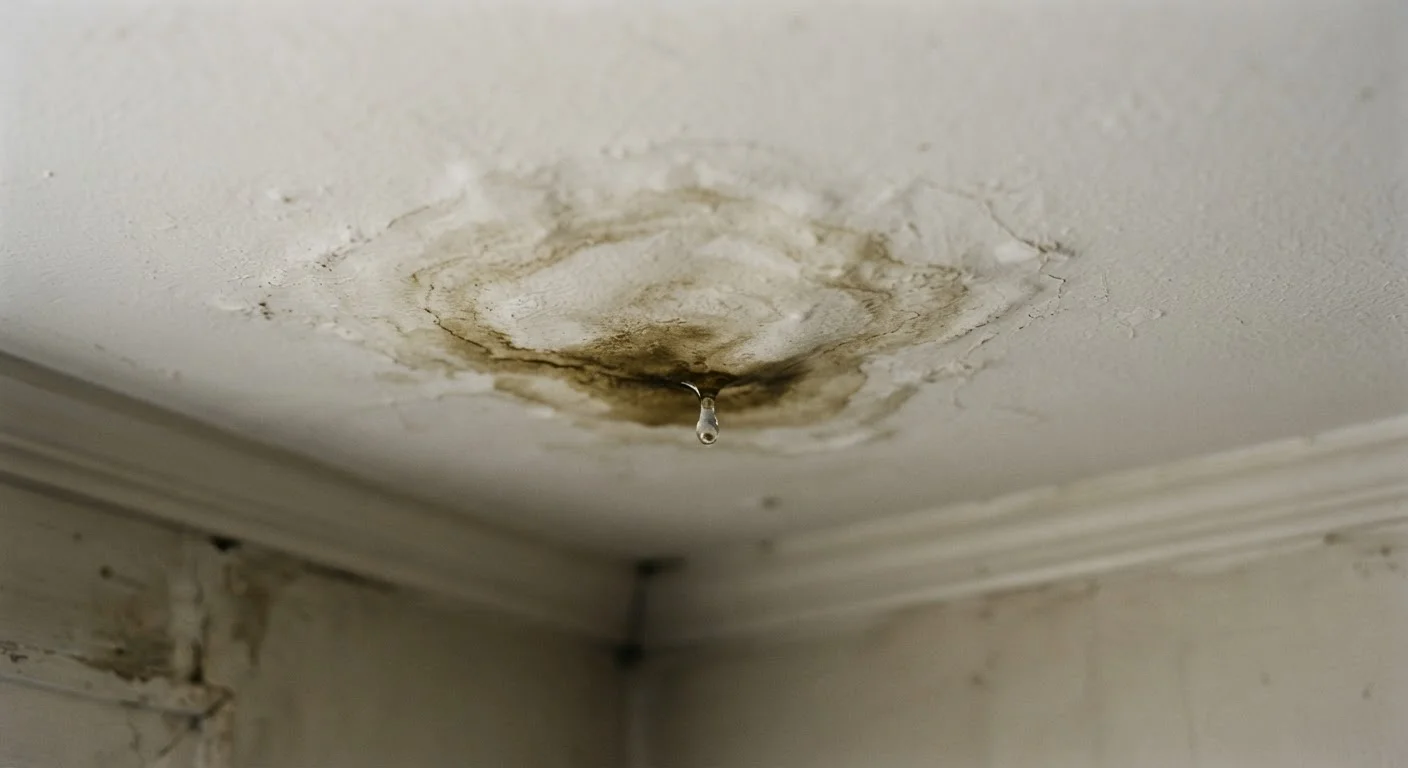
Why Water Doesn't Stay Where It Starts
When most people imagine a leak, they picture a dripping faucet or a puddle under the sink. The reality is more complicated — and more damaging. Water follows the path of least resistance, which means a pinhole leak in a pipe inside your wall might travel two feet along a joist before it drips onto anything visible. By then, the wood it touched along the way has already been sitting wet for days.
That's the core reason small leaks become expensive problems: the visible damage is almost always downstream from the actual source. Homeowners who wait until they see a stain are often already dealing with soaked insulation, softened framing, or early-stage mold hidden inside a wall cavity.
Understanding this pattern is the first step toward protecting your home. You don't need specialized tools to catch most leaks early — you just need to know where to look and what to look for. The common myth that small issues can always wait is one of the most expensive beliefs a homeowner can hold.
Water Damage and Homeowner Insurance
Many standard homeowner insurance policies cover sudden and accidental water damage — like a burst pipe — but exclude damage from long-term leaks or maintenance neglect. The distinction often comes down to whether the damage was preventable with routine upkeep. Review your policy carefully and consult your insurance agent if you're unsure what's covered. This article is for general information only and is not insurance or legal advice.
The Four Places Leaks Most Commonly Hide
You don't need to inspect every inch of your home. Focused attention on a handful of high-risk spots will catch the vast majority of household leaks.
- Under sinks: Check the supply lines, drain connections, and the cabinet floor itself. Look for any staining, soft spots, or a musty smell. These areas stay dark and damp, making them ideal for mold.
- Around toilets: The base of the toilet should be dry and stable. Any rocking, soft flooring nearby, or water discoloration around the base suggests the wax ring seal has failed.
- Ceilings and walls near bathrooms: A stain on a ceiling below an upstairs bathroom is a red flag. Cracked grout and failing caulk around tubs and showers are frequent culprits — see our guide on grout, caulk, and tile upkeep for what to watch for.
- Around the water heater: Inspect the floor around the base and check the supply connections for mineral crust or moisture. A slow weep from a fitting can saturate a mechanical room floor over months. Regular water heater checks can prevent a larger surprise.
Use Your Nose as a Detection Tool
A persistent musty or earthy smell — especially inside cabinets, closets near exterior walls, or basement areas — often signals moisture you can't yet see. Don't dismiss it as a quirk of the house. Trace the smell to its strongest point and inspect carefully for dampness, discoloration, or soft materials.
The Real Cost of Waiting
A dripping supply line under a bathroom sink might cost under $20 in parts to fix. The same leak ignored for two months can mean replacing the cabinet floor, the subfloor beneath it, and treating for mold — a project that can run into the thousands.
~14,000
US homes experience water damage daily
According to estimates from the Insurance Information Institute, water damage is among the most frequent and costly homeowner insurance claims filed each year.
24–48 hrs
Time for mold growth to begin on wet material
The EPA notes that mold can begin developing on damp building materials within one to two days under typical indoor conditions.
~$11,000
Average water damage claim cost
Industry data from homeowner insurance reports consistently places water and freezing damage among the highest average claim payouts for residential properties.
That financial gap is why early detection matters so much. The damage itself compounds, but so does the disruption: remediation work often requires tearing out finished surfaces, relocating affected areas, and waiting for materials to dry before repairs can close up. It's a much bigger project than a simple repair ever needed to be.
This mirrors a pattern familiar to anyone working on household finances — small problems that go unaddressed tend to quietly grow. The same principle applies whether you're looking at a slow financial drain or a slow drip behind a wall.
A Simple Monthly Check You Can Do in 10 Minutes
You don't need a home inspector to stay ahead of leaks. A brief monthly walkthrough covers most of what matters.
- Open the cabinets under every sink and look and feel for moisture or staining on the cabinet floor.
- Check around the base of each toilet for soft flooring or discoloration.
- Glance at all visible ceiling surfaces, especially below bathrooms and in laundry areas.
- Look at your water meter reading, then don't use any water for two hours and check it again. If it moved, you likely have a hidden leak somewhere.
- Inspect caulk lines around tubs, showers, and kitchen sinks for cracks or gaps.
New homeowners often focus on large, obvious maintenance tasks and miss the subtler ones. Our guide on hidden maintenance jobs new homeowners miss covers several other easy-to-overlook tasks in the same spirit.
If anything looks questionable during your walkthrough, err on the side of calling a licensed plumber or contractor. Catching a problem early and getting a professional opinion is almost always the less expensive path.