
Why the Scale Only Tells Part of the Story
When a pet steps on the scale at the vet's office, that number is a starting point — not a verdict. Two dogs of the same breed can weigh exactly the same amount yet have very different body compositions. One might carry healthy muscle mass with minimal fat; the other might be carrying excess fat that strains joints and organs.
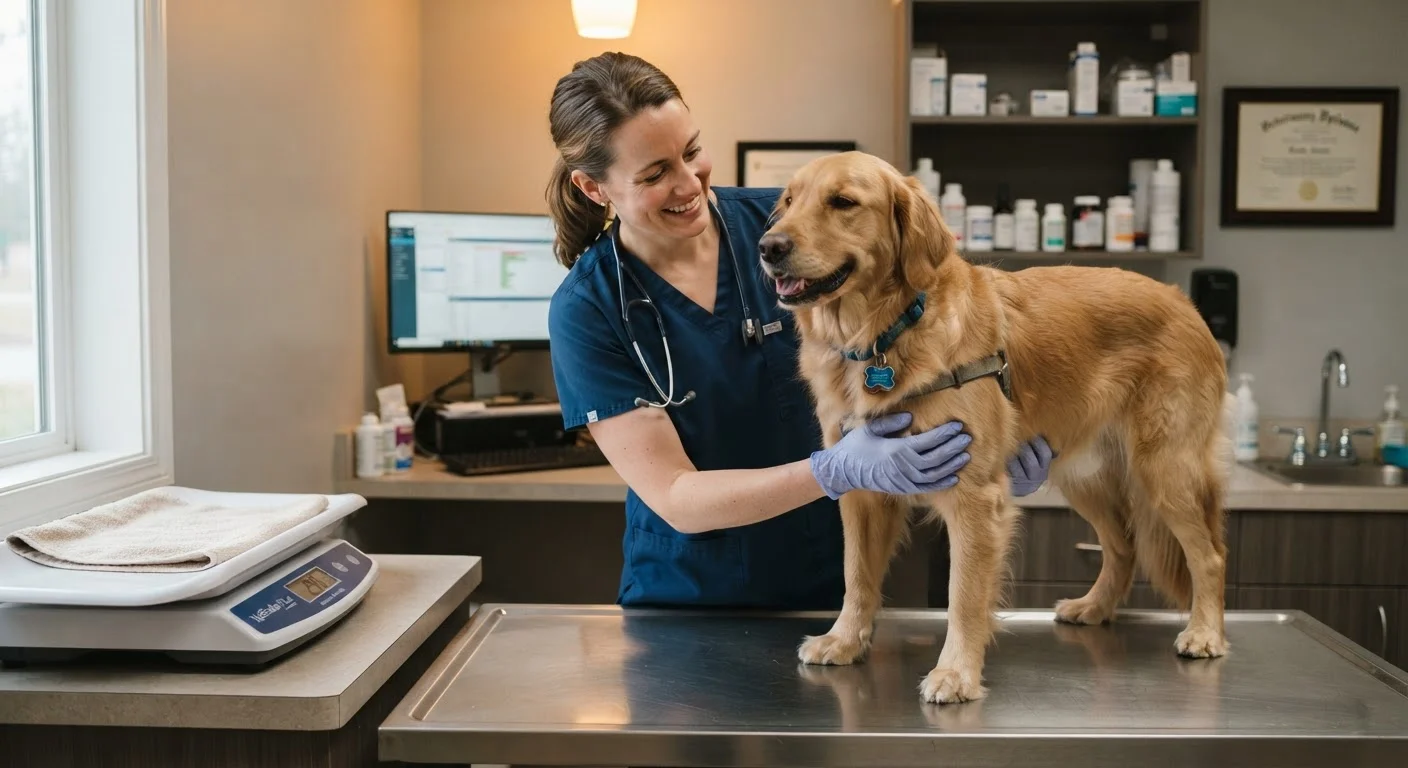
This is why veterinarians rely on the Body Condition Score (BCS) rather than raw weight alone. The BCS is a structured, hands-on evaluation that assesses fat coverage and muscle development by feeling along the ribs, spine, waist, and hips. It gives a far more accurate picture of whether a pet is truly at a healthy size.
Think of it the way health professionals approach human body composition — weight matters, but so does what that weight is made of. The same logic applies to your dog or cat.
Breed Standards vs. Health Ideals
Some breed standards historically associated certain physical traits — like a heavier build — with the ideal appearance for show or working dogs. These aesthetic standards don't always align with what veterinary research shows is healthiest for the individual animal. When in doubt, defer to your vet's BCS assessment rather than a breed weight chart.
How Vets Assess Body Condition
The most widely used BCS system runs from 1 to 9. A score of 1 indicates severe underweight — visible bones and no detectable fat. A score of 9 reflects extreme obesity. Most veterinarians consider a score of 4 or 5 ideal for the average dog or cat.
Here's roughly what each zone means:
- 1–3 (Underweight): Ribs, spine, and hip bones are visually prominent. Little to no fat cover. May signal illness, parasites, or inadequate nutrition.
- 4–5 (Ideal): Ribs are easily felt but not visible. A clear waist when viewed from above. Minimal fat padding over spine.
- 6–7 (Overweight): Ribs require firm pressure to feel. Waist definition is reduced or absent. Fat deposits forming along neck and limbs.
- 8–9 (Obese): Ribs are difficult to feel under thick fat. No visible waist. Significant fat deposits on abdomen and limbs.
Your vet will typically note the BCS at every wellness visit. If you're uncertain what category your pet falls into, ask for a demonstration — most vets are happy to walk owners through what they're feeling for.
~60%
US dogs and cats estimated overweight or obese
According to the Association for Pet Obesity Prevention's annual surveys, a majority of US companion animals are classified as overweight or obese by veterinary assessment.
1.8 years
Estimated lifespan reduction linked to obesity in dogs
A long-term study published in the Journal of Veterinary Internal Medicine found that dogs maintained at an ideal body condition lived nearly two years longer than overweight counterparts.
4–5 out of 9
Ideal Body Condition Score range for dogs and cats
Veterinary organizations including the World Small Animal Veterinary Association (WSAVA) recommend a BCS of 4–5 on a 9-point scale as the target for most healthy adult pets.
What Drives Weight Problems in Pets
Weight gain in pets rarely comes from a single cause. The most common contributors include:
- Overfeeding and free-feeding: Leaving food out all day makes it difficult to track how much a pet actually eats. Even small daily surpluses accumulate quickly. See our guide to portion sizes for practical help calibrating amounts.
- Calorie-dense treats: Treats can account for a surprisingly large percentage of daily caloric intake, especially in small breeds.
- Reduced activity: As pets age or recover from illness, activity levels often drop — but feeding amounts rarely adjust to match.
- Hormonal factors: Spaying and neutering can lower metabolic rate in some pets, making weight management more important post-surgery. Learn more in our overview of spaying and neutering.
- Underlying health conditions: Hypothyroidism in dogs and certain other disorders can cause weight gain unrelated to diet. This is why unexplained weight changes always warrant a vet conversation.
Understanding the cause matters because the solution differs. A pet gaining weight due to a thyroid condition needs different management than one simply being overfed.
Try the Rib-Check at Home
Place both thumbs on your pet's spine and spread your fingers outward along the rib cage. You should be able to feel each rib with light pressure — similar to running your fingers over the back of your hand. If you have to press firmly to find ribs, or can't feel them at all, mention it at your next vet visit. This simple check takes about five seconds and gives you a rough sense of where your pet falls on the condition scale.
The Real Health Consequences of Excess Weight
Veterinary research consistently links obesity in pets to shorter lifespans and reduced quality of life. Overweight dogs, in particular, have a higher incidence of osteoarthritis — excess weight accelerates cartilage breakdown in joints, leading to pain and mobility loss. This is covered in more depth in our article on signs your pet may be in pain.
Beyond joints, obesity in pets is associated with:
- Type 2 diabetes (especially in cats)
- Respiratory difficulty and reduced exercise tolerance
- Increased anesthetic risk during surgery
- Higher likelihood of certain cancers
- Heat intolerance
Being underweight carries its own risks — impaired immune function, muscle wasting, and poor wound healing among them. Both ends of the spectrum are worth taking seriously.
For older pets, weight and muscle mass become even more critical factors. Our article on senior pet care explains how nutritional and health priorities shift as animals age.
Practical Steps for Keeping Weight on Track
The good news: weight management doesn't require dramatic intervention if caught early. A few consistent habits make a real difference over time.
- Ask your vet for a target weight and BCS goal. Having a specific number and condition score to aim for gives you something measurable to work toward.
- Measure food by weight or volume — every time. Eyeballing portions is one of the most common sources of accidental overfeeding. Our portion size guide offers practical ways to calibrate amounts.
- Read food labels with care. Caloric content and feeding guidelines vary significantly between products. Our guide to reading pet food labels can help you decode the packaging.
- Count treats as calories. Factor treats into your pet's daily intake, especially if you use food as a training reward.
- Maintain a movement routine. Regular physical activity supports weight management and overall health. Even low-impact activities — short leash walks, gentle play — help. See the habits that make the biggest difference for a broader look at daily routines that support long-term wellbeing.
This article is for general informational purposes only and does not constitute veterinary advice. Always consult a licensed veterinarian before making changes to your pet's diet or health care plan.