
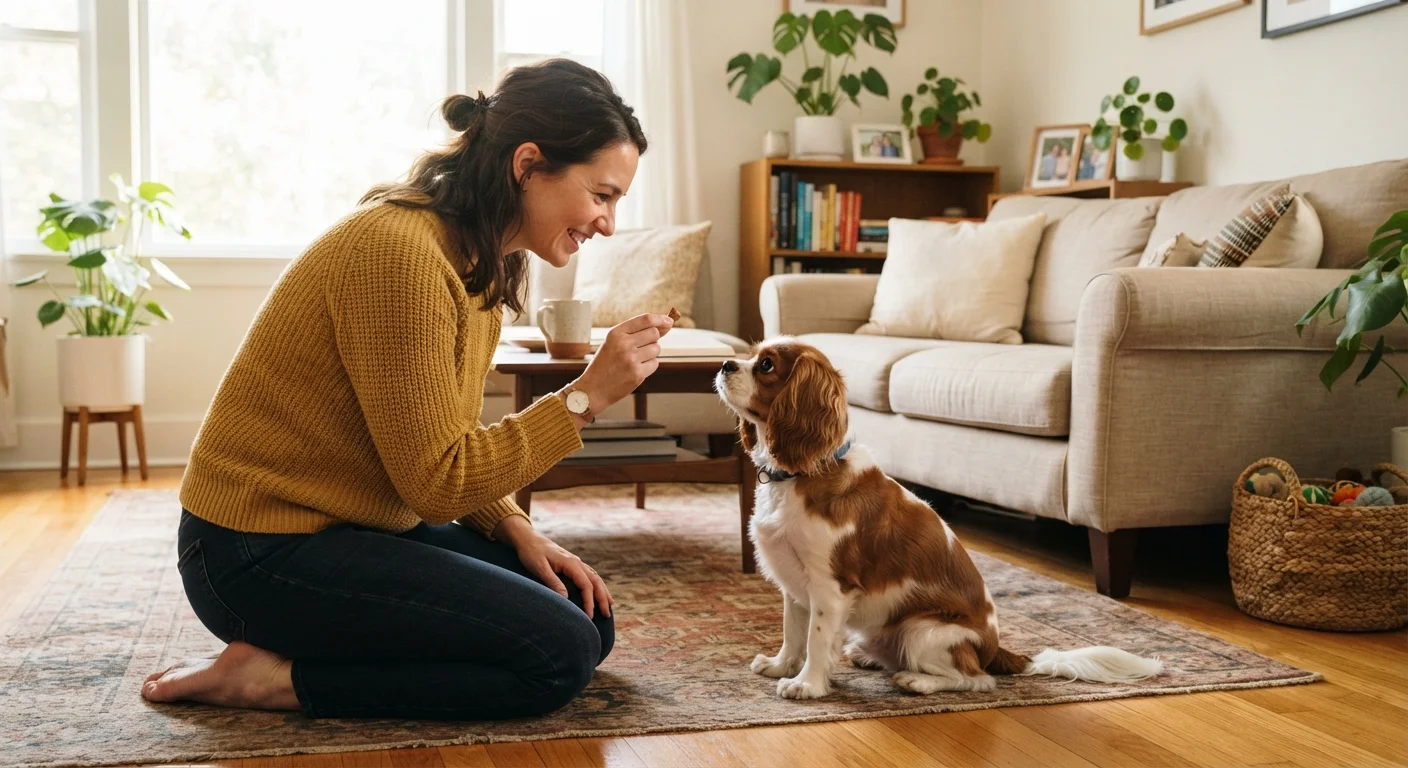
Why Readiness Matters Before the First Session
Walking into a training session unprepared is one of the most common reasons families give up early. Dogs and cats are remarkably responsive to the right conditions — but they're also quick to pick up on your frustration, a noisy room, or an empty treat pouch. Getting yourself and your pet ready before you begin dramatically improves the odds of a session that ends on a win.
This checklist is designed for first-time trainers and families who want to do things right from the start. Work through each section at your own pace. You don't need everything to be perfect, but the more boxes you check, the smoother that first session will go.
If your pet is brand new to the household, consider pairing this checklist with a first vet visit overview to confirm they're healthy enough to begin structured activity. Training puts mild cognitive and physical demands on an animal, so a clean bill of health is a reasonable starting point.
Your Pet's Physical Readiness
Your Mindset and Preparation
Environment Setup
Supplies Check
Tools, Space, and What to Do After
You don't need elaborate equipment to start training — but a few basics make a real difference. Review the tools below and gather what you can before your first session.
Small, Soft Training Treats
Quick-to-consume rewards that can be delivered rapidly help your pet make a clear connection between behavior and reward.
Treat Pouch or Fanny Pack
Keeps rewards accessible so you can reinforce behavior within the critical two-second window.
Clicker
A consistent sound marker that precisely marks the moment a correct behavior occurs, useful for shaping new skills.
Well-Fitted Collar or Harness
Provides safe, comfortable control during leash-based exercises without causing discomfort that could undermine focus.
Non-Slip Mat or Rug
Gives your pet a stable, defined surface to work on — helpful for dogs practicing sit, down, and stay on smooth floors.
Once your pet has started responding reliably to basic cues, routine becomes your greatest asset. Consistent feeding schedules, for example, make treat-based training more predictable — a hungry pet is motivated, but an overtired or overfed one isn't. See our guide on building a consistent feeding routine for practical meal-timing strategies that complement training sessions.
Avoid Training Through Behavioral Red Flags
If your pet is showing signs of fear, aggression, extreme anxiety, or has a history of biting, a general readiness checklist is not a sufficient starting point. These situations benefit from guidance from a certified professional animal behaviorist or veterinary behaviorist. Attempting to work through serious behavioral issues without professional support can inadvertently reinforce the problem or put family members at risk.
For a broader look at keeping your pet well between training milestones, the Pet Health hub covers vet visit preparation, seasonal care, and more. A well-cared-for pet is simply easier to train — good health and good behavior reinforce each other over time.
This article is for general informational and educational purposes only. It does not constitute veterinary or professional training advice. Always consult a licensed veterinarian or certified animal behaviorist for guidance specific to your pet's health or behavioral needs.