
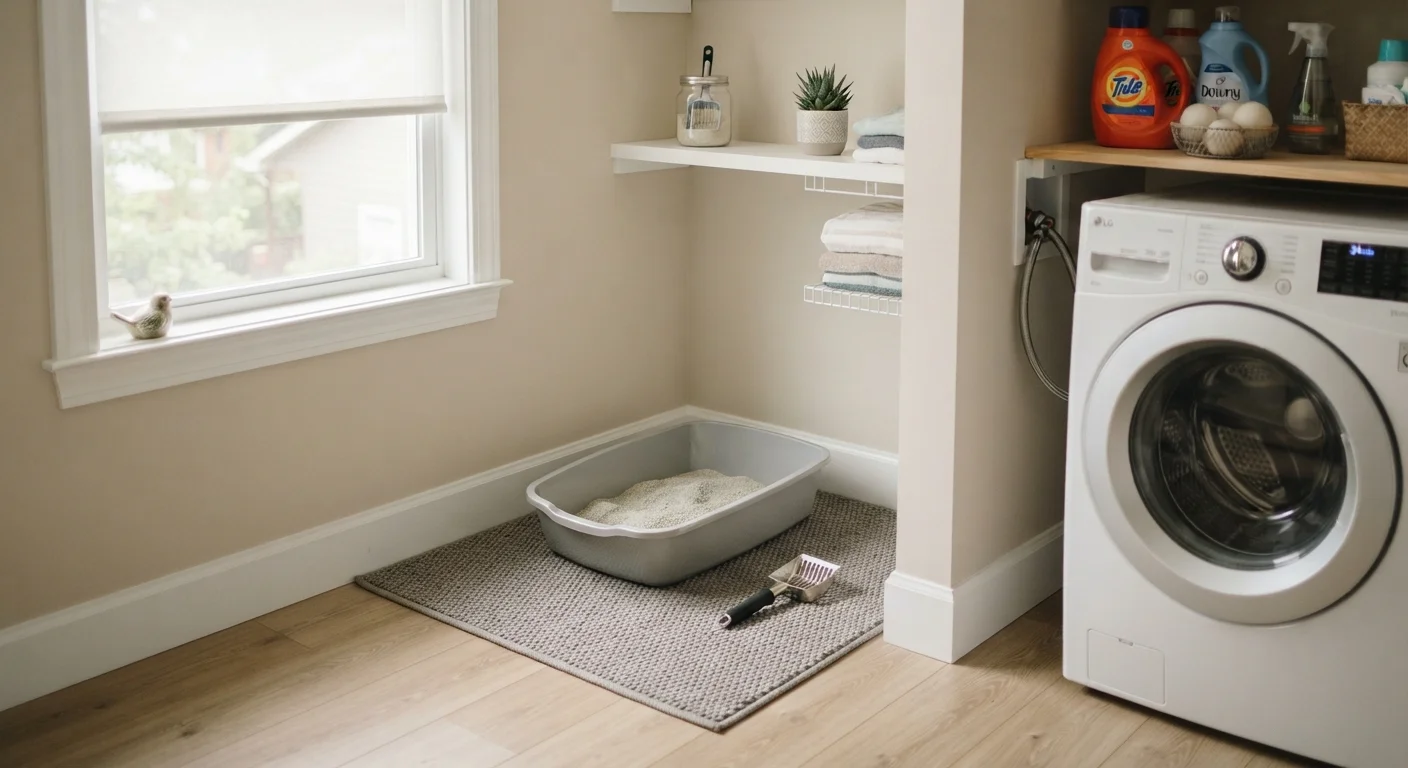
Why Litter Box Training Is Mostly About Setup
Cats are naturally inclined to eliminate in loose substrate and cover the evidence — a behavior rooted in instinct, not something you need to teach from scratch. What families often call a "litter box problem" is almost always a setup problem. The box is too small, the litter smells wrong to the cat, the location feels exposed, or the box hasn't been cleaned often enough.
Before you start, it helps to think like your cat. Cats are private, scent-sensitive, and easily put off by conditions that seem perfectly acceptable to us. Understanding that frame changes everything: you're not correcting behavior so much as creating an environment the cat will naturally want to use.
If you're new to cat ownership, the readiness checklist for new pet owners covers the broader preparation steps worth completing before your first training session.
What you will need
Choosing the Right Box, Litter, and Location
These three decisions account for the majority of litter box outcomes. Getting them right upfront saves considerable frustration later.
Box size and style
The box should be at least 1.5 times the length of your cat from nose to tail base. Most standard commercial boxes are too small for adult cats. Open, uncovered boxes are generally preferable — covered boxes trap odors inside, which is unpleasant for the cat even if it seems tidier to you. If you're managing multiple cats, follow the n+1 rule: one box per cat, plus one extra. This reduces competition and territorial stress.
Litter type
Unscented, clumping clay litter is the most widely accepted choice across the broadest range of cats, according to veterinary behaviorist guidance. Strongly scented litters are formulated for human noses, not feline ones — cats have a sense of smell estimated to be 14 times more sensitive than ours, and heavy fragrance can be actively off-putting. Fine-grained litters tend to be preferred over coarser textures. Fill to about 2–3 inches deep so the cat can dig and cover comfortably.
Location
Place boxes in quiet, low-traffic areas where the cat won't be startled mid-use. Avoid placing a box directly next to food and water bowls — cats instinctively avoid eliminating near their food source. Basements can work well for space, but make sure the cat has easy, always-open access. For kittens or senior cats, keep a box on every floor of your home.
Make Access Effortless for Every Life Stage
Kittens and senior cats both struggle with high-sided boxes. Look for boxes with at least one low entry side so cats can step in and out easily. Consistent access reduces accidents significantly during early training and as cats age.
Step-by-Step: Setting Up and Introducing the Box
Once your supplies are ready, follow these steps to introduce your cat to the new setup in a calm, low-pressure way.
Gather your supplies before bringing the cat home
Have the litter box, unscented clumping litter, a scoop, and a litter mat (to catch tracked litter) ready before your cat arrives. Scrambling to set up after arrival adds unnecessary stress to an already stimulating transition.
Place the box in a calm, accessible location
Choose a low-traffic area away from food bowls and loud appliances. Show your cat where the box is immediately upon arrival — carry or walk them directly to it so they register its location before exploring the rest of the space.
Gently place your cat in the box after meals and naps
Cats typically need to eliminate shortly after eating and after waking. During the first few days, gently set your cat in the box at these moments. Do not force their paws into a digging motion — simply let them explore the texture and leave on their own terms. Most cats will begin using it without further prompting.
Scoop daily and track usage patterns
Start scooping once per day from day one. Consistent cleaning does more for long-term litter box reliability than any other single factor. Note how often and when your cat uses the box — a sudden change in frequency or location is important information to share with your vet if needed.
Adjust variables if the cat avoids the box
If your cat is not using the box after two to three days, systematically adjust one variable at a time: try a different litter type, move the box to a quieter spot, or add a second box in a different location. Changing multiple things at once makes it impossible to know what solved the problem.
Maintaining the Box and Troubleshooting
Setup alone isn't enough — ongoing maintenance is what keeps a cat using the box consistently over time.
Scoop at least once daily. Cats frequently refuse a soiled box after just one use, and a box that smells strongly to you smells overwhelming to them. Full litter changes depend on the type of litter used: clumping litters typically need a full swap every two to four weeks; non-clumping litters may need more frequent changing.
Use warm water and a mild, unscented dish soap for periodic full cleans. Avoid bleach or strong-smelling cleaners — residual scent can deter use.
When avoidance happens
If your cat stops using the box, rule out a medical cause first. Urinary tract infections, kidney issues, and other conditions can cause sudden changes in litter box behavior. A vet visit is warranted whenever the change is abrupt or accompanied by straining, blood, or frequent attempts to go.
If a clean bill of health is given, revisit the setup variables: box cleanliness, litter type, location, and whether a new stressor (a new pet, a move, a change in schedule) might be involved. You can also explore what training approaches actually work for cats to address related behavioral patterns.
Sudden Changes Always Warrant a Vet Visit
A cat that has been reliably using the litter box and abruptly stops may be signaling a medical issue, not a behavioral one. Urinary tract infections, blockages, and other conditions can cause exactly this pattern. Contact your veterinarian promptly rather than assuming the problem is behavioral — early treatment matters for many of these conditions.
This article is for general informational purposes only and is not a substitute for veterinary advice. If your cat is showing signs of distress or a sudden change in bathroom habits, consult a licensed veterinarian.