
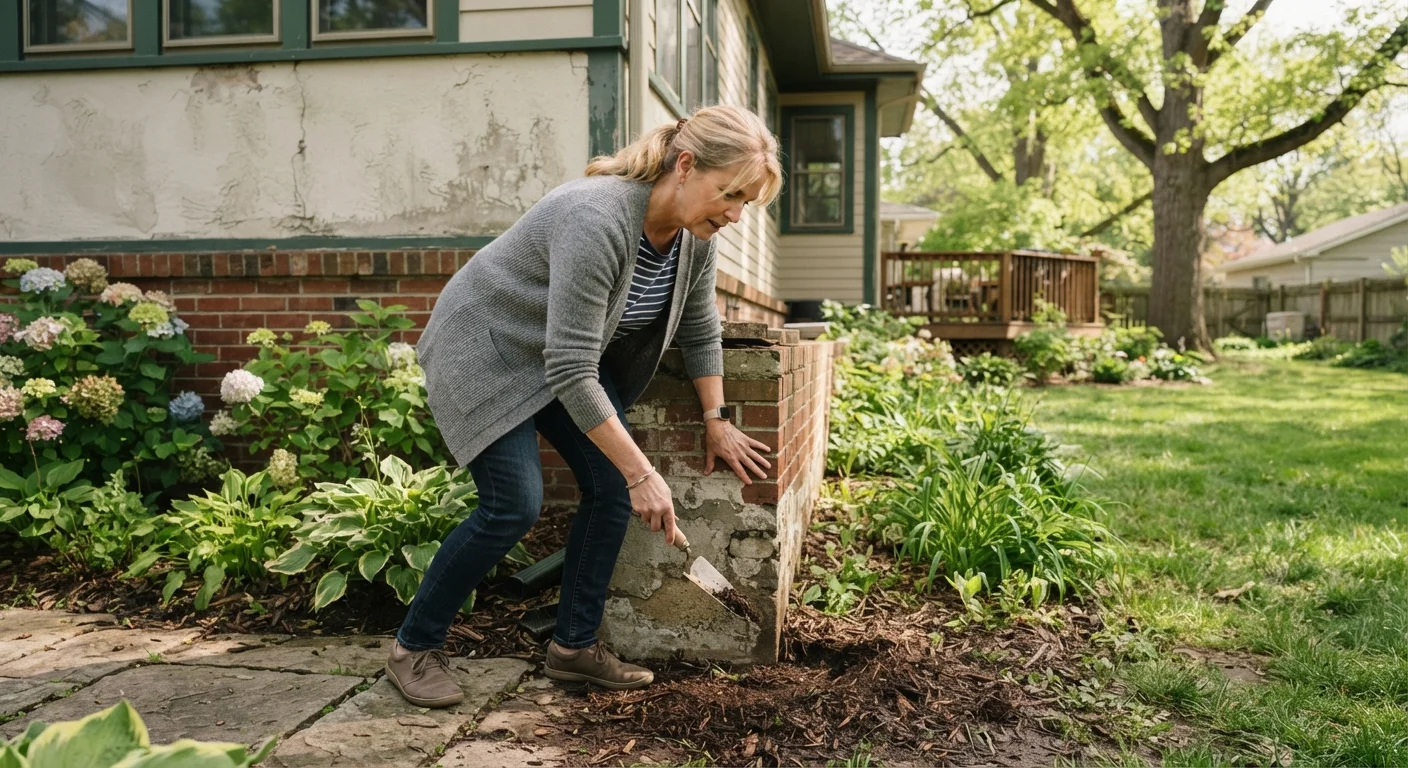
Why a Spring Walkthrough Matters
Winter puts your home through repeated freeze-thaw cycles, ice, wind, and moisture — all of which stress materials that looked fine in October. The damage often shows up gradually: a tiny crack in the foundation, a lifted shingle, a gutter that pulled away from the fascia. Left alone through summer, these small issues tend to grow into expensive repairs.
This checklist is designed for beginner homeowners who want a practical, room-by-room framework — no specialist knowledge required. You're looking, not fixing. Your job is to document what you find so you can decide what needs a professional and what you can address yourself. For a broader view of what maintenance lands in which season, see our month-by-month maintenance reference.
Before you start, grab a notepad or your phone to record notes, and give yourself an unhurried hour or two on a dry day.
Binoculars
Inspect the roof safely from the ground without climbing a ladder.
Flashlight or headlamp
Illuminate dark corners in the basement, crawlspace, and attic.
Notepad or phone
Record issues as you find them, including location and a brief description.
Garden hose
Flush gutters and downspouts to confirm drainage is clear.
Bucket of water
Test the sump pump by triggering it manually.
How to Use This Checklist
Work from the outside in: start with the roof and exterior, then move to the basement or crawlspace, and finish with interior rooms. Each item is marked as must (don't skip it), should (strongly recommended), or nice to have (useful if time allows).
If you spot something that looks structural — a large crack in the foundation, sagging ceiling, or evidence of active water intrusion — stop and call a licensed contractor before doing anything else. The same applies to anything involving gas lines or the electrical panel. Our guide on understanding your home's key systems can help you recognize what you're looking at before you make that call.
Leave Electrical, Gas & Structural Work to Licensed Pros
This checklist covers observation, not repair. If your walkthrough turns up anything involving the electrical panel, gas lines, load-bearing walls, or roof decking, do not attempt a DIY fix. These areas carry real safety risks and often require permits and inspections under local building codes. Contact a licensed contractor or the appropriate trade professional before proceeding.
Items you complete should be checked off; items that reveal a problem should be flagged with a brief note (location, what you saw, approximate size). This written record is also useful if you ever need to file a homeowner's insurance claim.
Roof & Gutters
Exterior Walls & Foundation
Windows, Doors & Seals
Basement, Crawlspace & Plumbing
Interior: Ceilings, Walls & Attic
HVAC & Safety Devices
After the Walkthrough: What to Do Next
Once you've finished, sort your notes into three buckets: urgent (active leaks, structural cracks, safety concerns), schedule soon (worn caulk, loose gutters, peeling paint), and monitor (hairline cracks you'll check again in 60 days). Urgent items should prompt a call to a licensed professional right away.
For the "schedule soon" list, be realistic about your budget. Catching issues early generally costs less — but that's still money you may not have set aside. Our home budgeting hub has practical strategies for planning repair spending. If you're carrying other household debt, the saving and debt tips hub may also help you think through priorities.
Some interior items — particularly caulk around tubs, tile grout, and kitchen backsplashes — are worth a closer look after your walkthrough. Our guide on grout, caulk, and tile upkeep walks through how to assess and refresh these surfaces. And if this is your first spring in the house, don't miss hidden maintenance tasks new homeowners miss — several of those items are worth adding to this walkthrough.
Don't Delay Urgent Repairs
Water damage compounds quickly once temperatures warm up — what starts as a slow drip behind a wall can become mold within weeks. If your walkthrough turns up active leaks, large foundation cracks, or any sign of structural movement, prioritize getting a licensed professional out before you take on anything else. Attempting to patch structural or roofing issues yourself without the right skills can make them harder and more expensive to fix correctly.